

 English
 Italian
 Spanish
 Japanese
 Swedish
 Portuguese
 Lithuanian
 Dutch
 Korean
 Russian
 French
 German
 Arabic
Using a Male Straight-Laced Model to Display Structured Menswear
Structured menswear often relies on details that are easy to overlook when garments are displayed on a hanger. The shape of a jacket's shoulders, the way a shirt sits across the chest, and the transition from the waist to the hem can all influence how customers perceive a garment. A well-chosen display mannequin helps retailers present these details more clearly and gives shoppers a better sense of the clothing's intended silhouette.
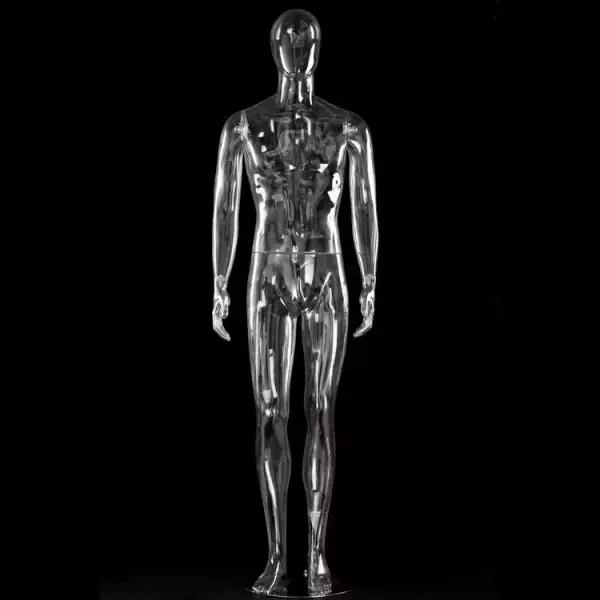
For stores, showrooms, and apparel exhibitions, selecting the right form is therefore part of the visual merchandising process. The Male straight-laced model offers a defined body shape for presenting menswear, with a height of 91 cm and specified bust, waist, and hip measurements. Understanding how these dimensions relate to garment construction can help retailers plan displays that look consistent and make product details easier to evaluate.
Why Structured Menswear Needs the Right Display Form
Structured garments are designed with particular shapes and proportions. Tailored jackets, formal shirts, blazers, and some lightweight outerwear may include seams, darts, shaped panels, or relatively firm fabrics that influence how the garment sits on a body.
When the display form is not suited to the garment, these features may be harder to present effectively. A jacket may pull across the chest, the waist may look unusually tight, or the hem may fall in a way that does not reflect the garment's intended design. These issues can make it difficult for customers to assess the cut and overall appearance.
A suitable mannequin provides a consistent reference for arranging garments. It allows visual merchandising teams to check shoulder alignment, chest fit, waist shaping, and hem position before the display goes live.
The goal is not to make every garment look identical. Different designs should retain their own silhouettes. Instead, the display form should help each piece appear as intended, without unnecessary pulling, bunching, or distortion.
Match Body Measurements to Garment Construction
Before choosing a mannequin for a menswear collection, review its measurements alongside the sizing and construction of the garments being displayed.
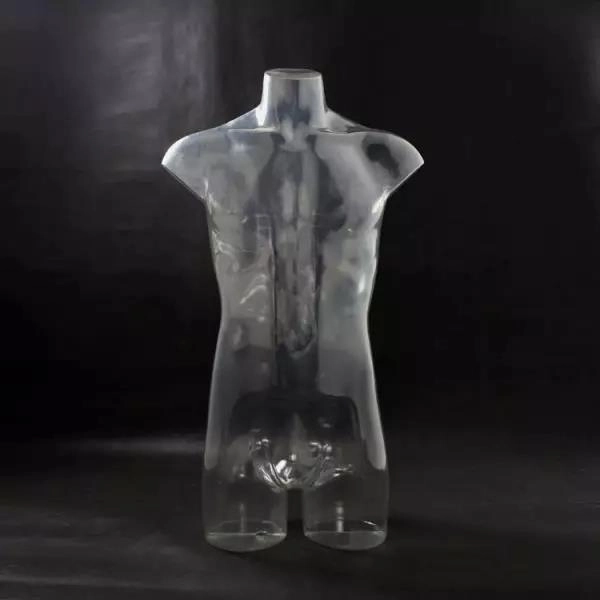
The Male straight-laced model is manufactured from PC raw material and has the following listed dimensions:
Overall height: 91 cm (35.83 inches)
Bust: 96 cm (37.8 inches)
Waist: 78 cm (30.71 inches)
Hip: 95 cm (37.4 inches)
These figures provide a starting point for evaluating garment fit. The bust measurement is particularly relevant when displaying shirts, blazers, and jackets, where the chest area can affect button alignment, lapel position, and the way fabric falls across the front.
The waist measurement helps merchandising teams assess how shaped garments sit through the middle. A fitted jacket may be designed to narrow at the waist, while a relaxed shirt may be intended to fall more loosely. The hip measurement can also be relevant when a garment extends below the waist, particularly for longer tops or jackets with a shaped hem.
However, mannequin measurements should not be treated as a direct substitute for garment measurements. Fabric stretch, cut, lining, ease, and the manufacturer's sizing system all influence the final fit. Testing representative garments on the actual form remains the most reliable way to judge the display result.
Present Jackets and Blazers Without Distorting Their Shape
Jackets and blazers often require more attention than simple tops because their structure depends on several areas working together. Shoulder seams, lapels, chest panels, sleeves, and waist shaping all contribute to the finished appearance.
When dressing a mannequin, begin by positioning the garment evenly across the shoulders. Check that the collar sits correctly and that the lapels fall naturally. If the front panels pull apart or the buttons create visible tension, the garment may not be suited to the form's measurements or may need to be adjusted for display.
Next, review the waist and hem. A tailored jacket should show its intended shaping without excessive pulling. A straight-cut style should retain a relatively clean line rather than being forced into a narrower silhouette.
Sleeves also deserve attention. Ensure that they hang naturally and do not become twisted while the jacket is being positioned. Small adjustments can make the difference between a display that looks carefully prepared and one that appears rushed.
For retailers presenting several jacket styles together, use the same checking process for each garment. Consistency in preparation helps customers compare different cuts while allowing the design differences between products to remain visible.
Use Shirts to Show Collar, Chest, and Hem Details
Structured shirts can look different depending on how they are arranged on a display form. Collar shape, placket alignment, chest ease, and hem length are all details customers may want to assess before purchasing.
Start with the collar and shoulder seams. The collar should sit neatly, while the shoulder seams should align as closely as the garment design allows. Then check the front placket to make sure it hangs straight rather than twisting or pulling to one side.
The chest area is another useful checkpoint. A shirt that is too tight for the form may develop tension lines around the buttons or across the upper body. Conversely, a deliberately relaxed shirt should retain its intended volume rather than being pulled taut simply to create a smooth surface.
Finally, examine the hem and the transition toward the waist and hip area. Different shirt lengths and cuts create different visual effects, so the display should reflect the garment's actual design.
When preparing a collection, retailers can photograph the finished display and use the images as a reference for future garment changes. This is particularly helpful when the same styles are presented in different colors or across multiple store locations.
Plan a Consistent Display Across a Menswear Collection
A mannequin can also help create visual consistency when several products are displayed together. This is useful for retailers presenting a coordinated collection, a new seasonal range, or garments from the same product category.
Consistency begins with the preparation process. Establish a standard method for dressing each form, including garment alignment, collar positioning, sleeve arrangement, and final inspection. Keep the display height and viewing angle consistent where the fixtures allow it.
At the same time, avoid making every display look overly uniform. A formal blazer, a casual structured shirt, and a lightweight jacket serve different merchandising purposes. Their arrangement should reflect the intended customer, garment function, and visual identity of the collection.
The Male straight-laced model can be considered for displays where its 91 cm height and listed body measurements suit the garments and available fixture space. Before ordering for a larger rollout, confirm the actual dimensions and display configuration needed for the project.
Retailers should also consider how the mannequins will be stored, handled, and prepared between display changes. A repeatable process can reduce unnecessary handling and help staff maintain a consistent presentation during busy merchandising periods.
Consider Material and Practical Handling Requirements
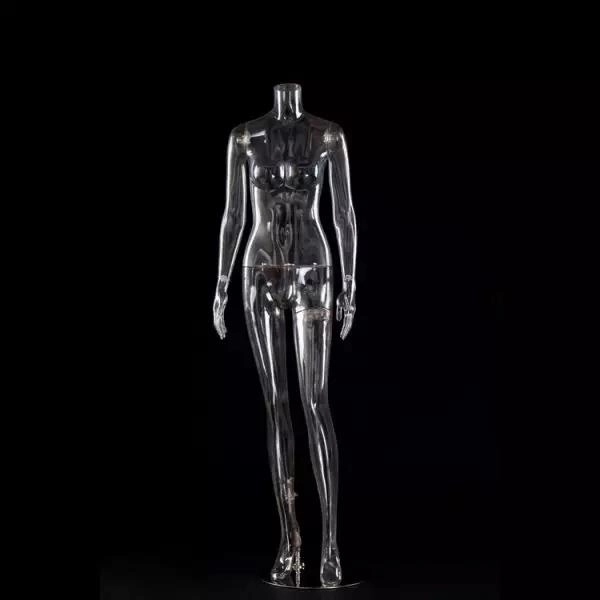
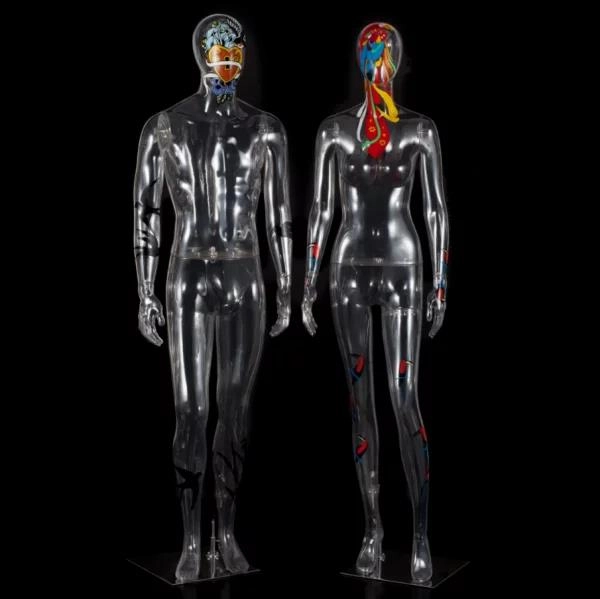
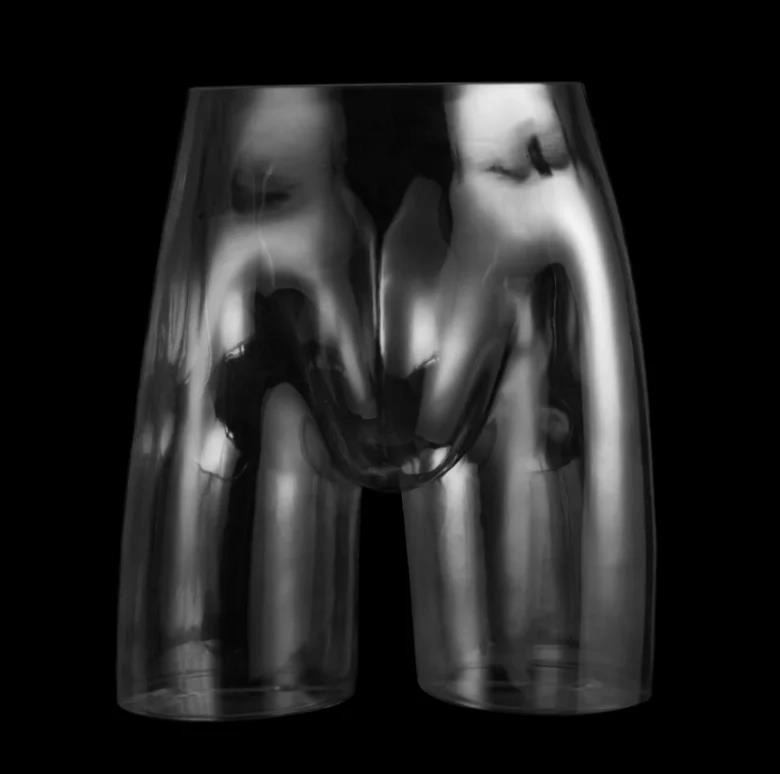
Material is another factor to review when selecting display equipment. This model is part of the Transparent Mannequins range and is manufactured from PC raw material. Its transparent appearance can be useful in displays where retailers want the garment to remain the main visual focus.
Before introducing any mannequin into regular store use, check the manufacturer's recommendations for cleaning, handling, and storage. Use suitable cleaning methods and avoid assuming that every cleaning agent is appropriate for every surface or finish.
Staff should also handle the form carefully when dressing garments or moving the display. Establishing a consistent procedure helps reduce accidental scratches and makes it easier to keep the mannequin presentable over time.
For multi-store projects, confirm that product specifications and care instructions are shared with the teams responsible for installation and maintenance. This simple step can help prevent differences in handling practices between locations.
Working with an Experienced Mannequin Manufacturer
Product selection is only one part of a successful display project. Retailers sourcing mannequins for multiple stores may also need to consider manufacturing capacity, specification consistency, customization requirements, and communication during order planning.
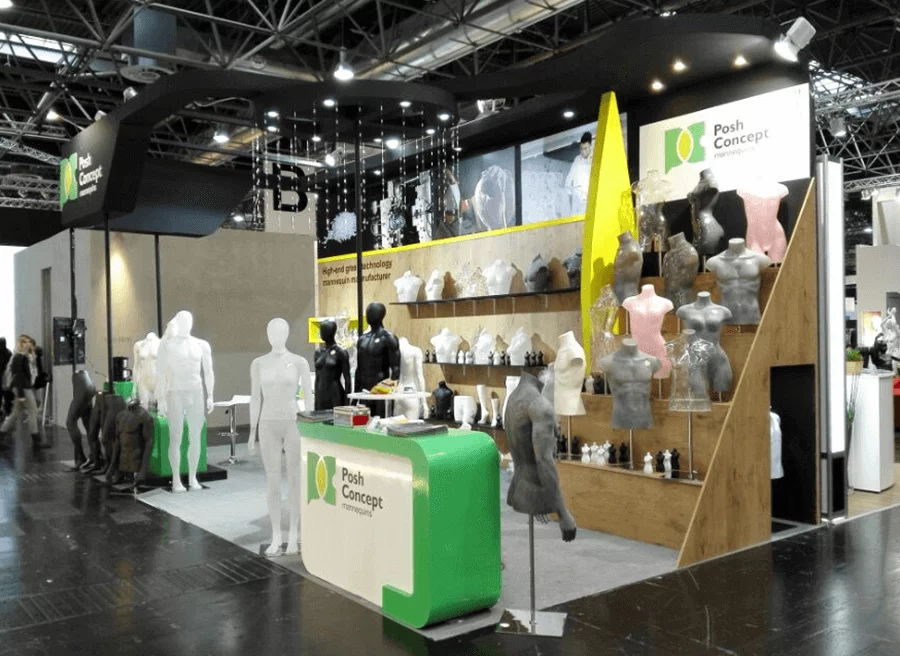
Posh Concept Mannequins, also known as SHANGMEI, was founded in 2012 and develops mannequin solutions for fashion retail. The company draws on the engineering and manufacturing background of Cosmos Machinery Group, which has more than 60 years of industry experience. Its stated resources include a 10,000 m² manufacturing facility, more than 100 professionals, and production capacity exceeding 5,000 mannequins per month, with exports to more than 30 countries and regions.
The company's development has included PC mannequins, the expansion of material options such as PP, PE, and ABS, and ongoing work in digitalization and intelligent manufacturing. It also identifies responsible manufacturing and sustainable visual merchandising as central parts of its long-term direction.
For buyers, these capabilities provide context when discussing a display project. Specific requirements should still be confirmed directly, including the selected model, material, dimensions, available customization, packaging, and applicable quality checks.
Build Better Menswear Displays Through Practical Checks
Displaying structured menswear effectively depends on a combination of product selection and careful preparation. The mannequin's measurements should suit the garments, the garment construction should remain undistorted, and the final arrangement should work within the store's available space.
Before finalizing a display, check shoulder alignment, chest tension, waist shaping, hem position, and overall garment balance. For larger projects, document the preparation process so that staff can reproduce the intended appearance across different locations.
The Male straight-laced model provides a defined set of dimensions for retailers evaluating transparent mannequin options for structured menswear. By comparing its measurements with actual garment requirements and confirming the practical details before ordering, merchandising teams can make more informed choices and create displays that present clothing clearly and consistently.