

 English
 Italian
 Spanish
 Japanese
 Swedish
 Portuguese
 Lithuanian
 Dutch
 Korean
 Russian
 French
 German
 Arabic
What Buyers Should Confirm Before Ordering a Chest Mold
When sourcing display equipment for a fashion retail project, buyers need to confirm more than the product name and material. The shape, dimensions, intended use, and order specifications all affect whether a display form fits the project. These checks are particularly important when the product has a specialized form and its complete dimensions need to be confirmed directly with the manufacturer.
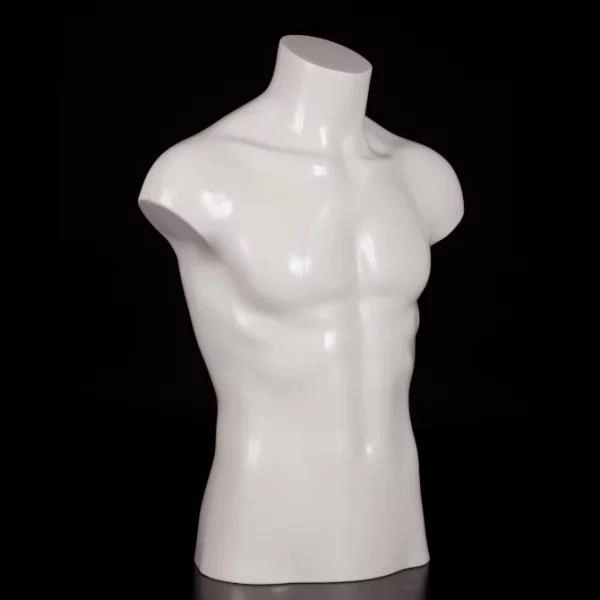
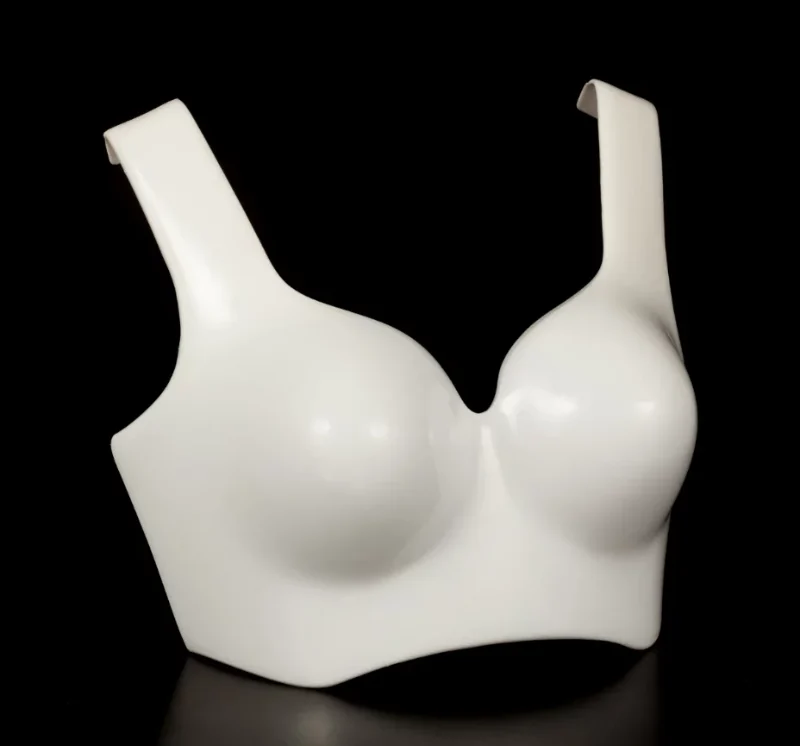
A Chest mold can be considered for apparel presentation and other display applications where a chest-form display is suitable. Before placing an order, buyers should establish exactly what the product includes, how it will be used, and whether its specifications match the planned display. A few practical checks can help purchasing teams avoid misunderstandings and prepare a clearer order brief.
Confirm the Product Type and Intended Use
Start by confirming that the product is the correct type of chest form for the planned application. Product names can vary between suppliers, so it is useful to verify the actual shape, construction, and intended display purpose rather than relying on terminology alone.
Consider what the form needs to display. If the project involves apparel, identify the garment types and the areas that need to remain visible. For example, a display focused on the neckline or chest area may have different requirements from one intended to present a garment with extensive shoulder or side details.
Buyers should also clarify whether the form will be used for a permanent retail installation, a temporary promotion, a showroom presentation, or product photography. These environments can have different requirements for positioning, handling, storage, and fixture compatibility.
Before confirming the order, ask the supplier for current product photographs and any available technical drawings. These materials can help the purchasing team check that the model matches the intended application and identify questions that need to be resolved before production or shipment.
Request Complete Dimensions Before Ordering
Dimensions are one of the most important items to verify. The Chest mold belongs to the Solid-Color Mannequins range, but its complete dimensions are not specified in the available product information. Buyers should contact the supplier to obtain the full measurements before finalizing the display plan.
Do not rely on photographs alone to estimate the product's size. Camera angles and image proportions can make a display form appear larger or smaller than it actually is. Instead, request the relevant measurements in a clear and consistent format.
Depending on the product's actual shape, useful information may include overall height, width, depth, and other dimensions needed to assess garment fit or fixture compatibility. Confirm which measurements are available for this particular model rather than assuming that every measurement applies.
If the form will be installed on a display fixture, measure the available space and compare it with the supplier's specifications. Allow for any mounting components or surrounding hardware if these are part of the planned setup. If the product will be used for photography, also consider the working distance, background area, and camera framing.
For multi-store projects, keep the confirmed measurements in the purchasing specification. This gives buyers, visual merchandising teams, and store planners a shared reference when preparing the display.
Verify the PC Material Specification
The product is manufactured from PC raw material. PC, or polycarbonate, is used in a range of manufactured products, but buyers should evaluate its suitability according to the requirements of the specific display application.
When reviewing the material specification, confirm that the quoted product is the PC version and that the information corresponds to the model being ordered. If the project requires a particular material grade, finish, color, or other technical characteristic, state that requirement explicitly and ask the supplier to confirm whether it is available.
It is also worth asking about recommended cleaning and handling procedures. Retail display equipment may be moved, cleaned, and reused as seasonal merchandising changes. Clear care instructions help staff manage the product appropriately.
Avoid assuming that the material specification alone guarantees a particular level of impact resistance, load capacity, or service life. If the project has specific performance requirements, request the relevant technical documentation or written confirmation from the manufacturer.
A clear material specification is especially useful for repeat orders. Keeping the approved material details on file helps purchasing teams compare future quotations and confirm that the requested product remains consistent with the original order.
Check Color and Appearance Requirements
The product is part of the Solid-Color Mannequins range, making color and appearance worth discussing during the specification stage. Buyers should confirm the available color options and identify the intended appearance for the project.
For a coordinated retail display, consistency between products can affect the overall presentation. If several forms will appear together, clarify the required color and finish before placing the order. If the project uses a specific visual merchandising guideline, provide the relevant reference or color requirements to the supplier.
It is also helpful to establish how appearance will be checked before shipment. Ask which product photographs, samples, or other confirmation methods are available for the order. For repeat purchases, retain the approved specification and reference images so that later orders can be compared against the same requirements.
Do not assume that a color or finish shown in a photograph fully represents the final product under every lighting condition. Where appearance is important, agree on an appropriate confirmation method with the supplier before the order is finalized.
Confirm Fixture Compatibility and Handling Needs
Even when the product itself meets the required specifications, the display arrangement may introduce additional constraints. Buyers should identify where the chest form will be placed and determine whether the planned fixture can accommodate its actual dimensions and configuration.
Check the available surface area, surrounding clearance, and any mounting or positioning requirements that apply to the intended setup. If a bracket, base, or other component is required, confirm whether it is included or needs to be sourced separately. These details should be verified rather than inferred from product images.
Handling and storage also deserve attention. If the display form will be moved frequently, ask the supplier for suitable handling guidance and packaging details. For projects involving several stores, the purchasing team may need to establish a standard procedure for receiving, storing, and preparing the products for display.
Where the form will be used in a setting with specific safety or stability requirements, request the relevant product guidance and verify the complete installation. Do not assume that a particular mounting method or load rating is supported unless the supplier confirms it.
Prepare a Complete Purchase Specification
Once the product type, material, dimensions, and display requirements have been reviewed, bring the information together in a purchase specification. This reduces the chance of different teams working from inconsistent descriptions.
For a chest mold order, the specification should identify the product name, PC material, required color or appearance, confirmed dimensions, quantity, and intended application. Include any relevant packaging, labeling, documentation, or delivery requirements.
If customization is required, describe the request clearly and ask the supplier to confirm feasibility before treating it as part of the order. Keep approved drawings, written specifications, and relevant correspondence together so that both parties can refer to the same information.
For repeat orders, compare the new quotation and specifications with the previous approved version. Confirm any changes in materials, dimensions, appearance, or configuration before approving the purchase. This is particularly important when the products will be used across several retail locations or as part of a coordinated display program.
Work with a Manufacturer That Understands Retail Displays
A supplier's manufacturing background can be useful when discussing product requirements, production arrangements, and repeat orders. Posh Concept Mannequins, also known as SHANGMEI, was founded in 2012 and focuses on mannequin manufacturing and sustainable visual merchandising solutions.
The company draws on the engineering and manufacturing heritage of Cosmos Machinery Group, which brings more than 60 years of industry experience. Its stated manufacturing resources include a 10,000 m² production facility, more than 100 professionals, and monthly production exceeding 5,000 mannequins. The company also reports exports to more than 30 countries and regions.
Over time, its material development has expanded beyond PC to include PP, PE, and ABS. Its manufacturing initiatives have also included digitalization, intelligent production systems, and exploration of recycled and lower-impact materials. These efforts form part of the company's stated commitment to responsible manufacturing and sustainable retail display solutions.
For buyers, the practical next step is to discuss the exact requirements of the selected product. Confirm the specifications, available options, quality checks, packaging arrangements, and any project-specific needs directly with the supplier. General manufacturing capabilities should not be taken as confirmation that every option is available for every model.
Final Checks Before Placing the Order
Before approving a purchase, make sure the product type matches the intended use, the complete dimensions have been confirmed, and the PC material specification is correct. Review color and appearance requirements, check fixture compatibility, and clarify any handling or packaging needs that could affect installation.
Most importantly, record the confirmed details in writing. A clear specification gives purchasing teams a reliable basis for comparing offers, coordinating with visual merchandising staff, and managing repeat orders.
The Chest mold is listed as a PC product within the Solid-Color Mannequins range. Since its full dimensions need to be obtained from the supplier, confirming those measurements should be an early step in the purchasing process. With the product details, application requirements, and order specifications agreed in advance, buyers can make a more informed decision and prepare their display project with fewer avoidable uncertainties.