

 English
 Italian
 Spanish
 Japanese
 Swedish
 Portuguese
 Lithuanian
 Dutch
Dutch Korean
 Russian
 French
 German
 Arabic
188 cm Female Full-Body Model: Matching Mannequin Size to Garment Display
Choosing a full-body mannequin for a retail display is not simply a matter of selecting the right gender or appearance. The mannequin's height and proportions directly affect how garments hang, where hems fall, and how the overall silhouette is presented to shoppers. For fashion brands managing multiple product lines, these details can make a noticeable difference when building consistent displays across stores and showrooms.
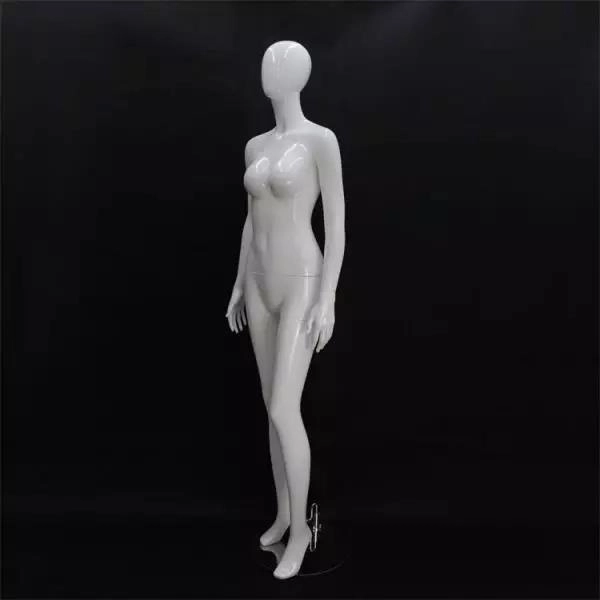
An overall height of 188 cm provides a useful reference for displaying full-length garments while maintaining a clear, elongated presentation. Combined with a 92 cm bust, 64 cm waist, and 90 cm hip, the Female full-body model is designed around a defined body proportion rather than height alone. It is part of a Solid-Color Mannequins range and is manufactured from PC raw material.
Why Mannequin Height Matters in Garment Display
The height of a mannequin changes the way a garment is perceived.
A long dress, coat, or wide-leg trouser does not appear the same on mannequins with different body heights. The position of the waist, hip, knee, and lower body affects the visual distribution of the garment. If the mannequin is significantly shorter or taller than the intended display proportion, the garment may appear compressed or stretched even when the garment itself has not changed.
For full-body retail displays, height is therefore part of the presentation specification.
At 188 cm, this Female full-body model provides a tall full-body format that can be used to create an elongated visual line. This can be useful when the display needs to show the complete length of a garment rather than focusing only on the upper body.
The height also needs to be considered together with the placement of the mannequin. A floor-standing display, platform, raised base, or window arrangement can change the final visual height of the complete presentation.
Matching 188 cm to Different Garment Types
Different garments require different amounts of vertical space.
Long dresses are one obvious example. A full-body mannequin allows the viewer to see the relationship between the shoulder line, waist, skirt volume, and hem. A taller body can provide a longer visual canvas for displaying the complete garment.
Long coats and outerwear can benefit from the same approach. When the entire coat is visible, shoppers can see its length, structure, and relationship to the body underneath.
Trousers also require attention to proportion. The leg line of a full-body mannequin influences how the garment appears from the waist down, particularly for wide-leg, straight-leg, or tailored styles.
For retailers displaying several garment categories in one space, using a consistent mannequin height can also help maintain visual continuity between displays.
Understanding the 92-64-90 cm Proportions
Height is only one part of mannequin selection. Bust, waist, and hip measurements determine how clothing sits on the body.
The Female full-body model measures 92 cm at the bust, 64 cm at the waist, and 90 cm at the hip. These three measurements create a specific body profile that can influence the way different garment constructions are presented.
The bust measurement is particularly relevant for fitted tops, dresses, jackets, and structured garments. It determines how much volume the garment needs around the upper body.
The 64 cm waist provides a defined waistline that can make the transition between the upper and lower portions of a garment easy to see. This is useful for dresses, belted garments, fitted jackets, and other styles where waist placement is an important design element.
The 90 cm hip measurement affects the presentation of skirts, trousers, and fitted lower-body garments. A garment with shaping around the hips will naturally interact with this dimension differently from a loose or straight-cut design.
For retailers, these measurements are more useful when considered in relation to the actual garment assortment rather than as isolated specifications.
Solid-Color Mannequins Keep Attention on the Garment
The mannequin itself should support the product rather than compete with it.
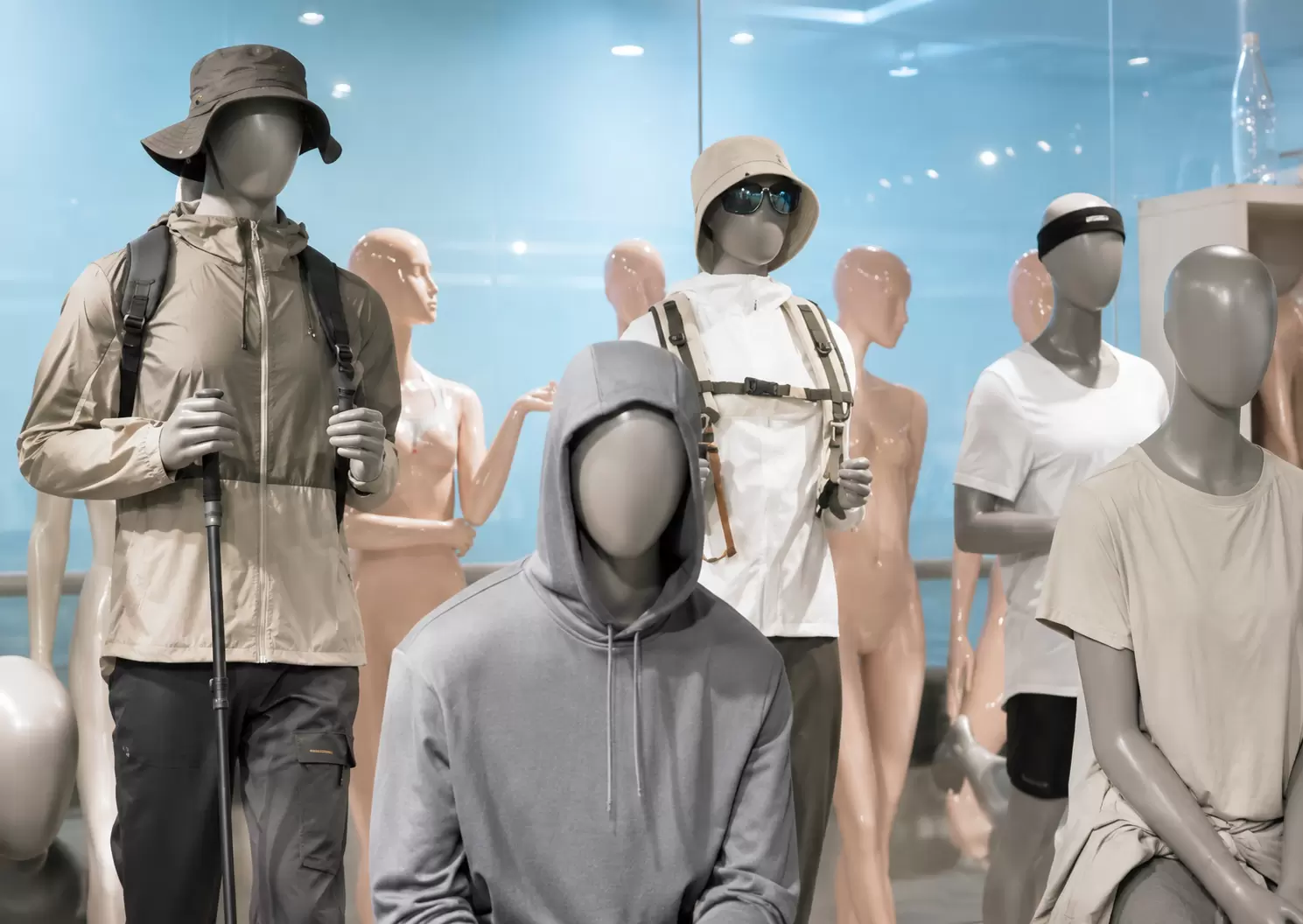
A solid-color mannequin provides a relatively controlled visual background for clothing. When the mannequin has a simple, consistent appearance, the color, texture, pattern, and construction of the garment can become the main visual focus.
This can be particularly useful when a collection contains strong colors or complex prints. A highly decorative mannequin may introduce another visual element that competes with the clothing.
The Solid-Color Mannequins range provides a straightforward foundation for this type of display. The Female full-body model can therefore be considered not only by its physical dimensions but also by how its simple presentation works with different garment styles.
For retailers operating multiple locations, a consistent mannequin appearance can also contribute to a more uniform visual merchandising system.
Why PC Material Is Relevant to Mannequin Design
Material selection affects how a mannequin can be manufactured and integrated into a retail display program.
This model is manufactured from PC raw material. For a mannequin manufacturer, material selection is connected with molding, structural design, surface treatment, production consistency, and customization requirements.
These factors become particularly important when a retailer needs the same model across multiple stores. A display program may require consistent dimensions and appearance from one production batch to another.
PC is also part of the development history of Posh Concept Mannequins. The company introduced PC mannequins after applying blow molding technology to retail mannequins, making the material an important part of its approach to sustainable display solutions.
For buyers, the practical question is therefore not simply “What material is used?” It is how the material works with the manufacturing process and the requirements of the finished display.
When a Full-Body Model Is More Useful Than a Partial Display
Partial mannequins can be effective when the focus is limited to a particular garment area. However, they cannot show the complete relationship between upper-body clothing and lower-body garments.
A full-body model becomes more useful when the retail concept requires complete outfit presentation.
For example, a fashion brand may want to show a complete combination of top, trousers, shoes, and outerwear. A full-body format allows the viewer to understand the intended styling from head to foot.
The 188 cm height of the Female full-body model also provides enough vertical presence for larger retail spaces, showroom displays, and fashion presentation areas where the complete silhouette needs to be visible.
This does not mean that a taller mannequin is automatically suitable for every garment. The correct choice still depends on the brand's target sizing, garment dimensions, display concept, and the intended customer presentation.
Using Mannequin Proportions During Garment Selection
Mannequin specifications can also be useful before a garment reaches the sales floor.
When buyers or visual merchandising teams select a mannequin, they can compare its bust, waist, and hip dimensions with the core measurements of the garments they intend to display.
For example, fitted garments should be checked around the bust and waist, while skirts and trousers need particular attention around the hip. Outerwear may require additional consideration because the garment needs to sit over another layer.
This approach helps avoid a common display problem: choosing a mannequin based only on appearance and discovering later that particular garments do not sit naturally on it.
For brands with a broad product range, defining a standard mannequin profile can simplify visual merchandising decisions across seasonal collections.
Consistency Matters for Multi-Store Retail Displays
A single mannequin can be selected for one store based on appearance. A global or multi-location retail program has different requirements.
When dozens or hundreds of displays are involved, consistent height, proportions, material, color, and production quality become more important. The mannequin becomes part of the retailer's visual merchandising system rather than an individual decorative object.
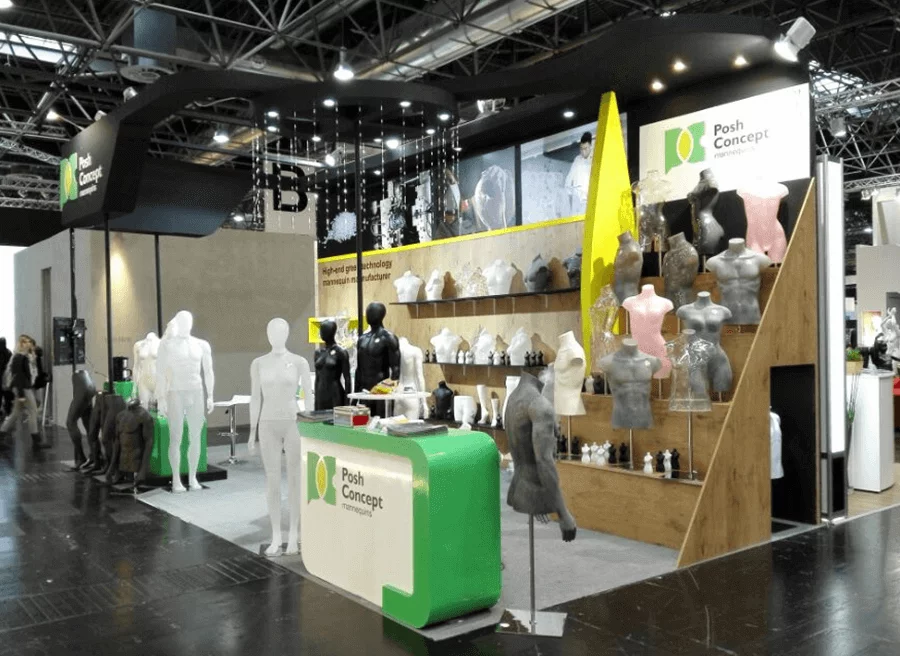
Posh Concept Mannequins, also known as SHANGMEI, has developed its manufacturing capabilities around this type of requirement. The company operates a 10,000 m² production facility with more than 100 professionals and reports a production capacity of more than 5,000 mannequins per month, with products exported to more than 30 countries and regions.
Its development has included PC mannequins, diversified materials, customized manufacturing, and intelligent manufacturing upgrades. This background is relevant for buyers looking beyond a single sample and considering repeat production for retail projects.
What Buyers Should Check Before Selecting a Female Full-Body Model
For a practical purchasing evaluation, several specifications should be checked together.
First, confirm the overall height and whether it works with the intended garment lengths and display fixtures.
Second, compare bust, waist, and hip measurements with the clothing assortment. This is especially important for fitted and structured garments.
Third, check the mannequin material and manufacturing process. Material selection can affect the available customization and production requirements.
Fourth, consider whether the mannequin's visual style fits the retail concept. Solid-color models can provide a neutral presentation for collections where the clothing itself should remain the primary focus.
Finally, if the project involves multiple stores, confirm that the supplier can maintain consistent dimensions and surface quality across production batches.
The Female full-body model combines a 188 cm overall height with 92 cm bust, 64 cm waist, and 90 cm hip measurements in a PC construction. These specifications provide a concrete starting point for evaluating garment compatibility rather than choosing a mannequin purely by appearance.
For fashion retailers, the most useful mannequin is ultimately the one that fits the clothing, the display environment, and the production requirements at the same time. By evaluating height, body proportions, material, and manufacturing consistency together, buyers can build a display system that presents garments more consistently across different retail settings.
The Female full-body model is therefore best considered as part of a complete visual merchandising specification: 188 cm of overall height, defined bust-waist-hip proportions, PC material, and a solid-color presentation designed to keep attention on the garments being displayed.