

 English
 Italian
 Spanish
 Japanese
 Swedish
 Portuguese
 Lithuanian
 Dutch
 Korean
 Russian
 French
 German
 Arabic
What Clothing Styles Work Best on an S-Shaped Female Mannequin?
Choosing the right mannequin is an important part of presenting clothing effectively in a retail environment. Different mannequin shapes can influence how garments look, how their proportions are perceived, and which design details attract attention. For women's fashion, an S-shaped figure offers a distinct display option because its curved silhouette helps highlight the relationship between the bust, waist, and hips.
For retailers, visual merchandising teams, and fashion brands, an S-shaped mannequin can be particularly useful when displaying garments designed with defined waistlines, fitted cuts, or shaped silhouettes. However, not every clothing style will produce the same visual effect. Understanding how garment construction interacts with mannequin proportions helps retailers make better decisions when planning product displays.
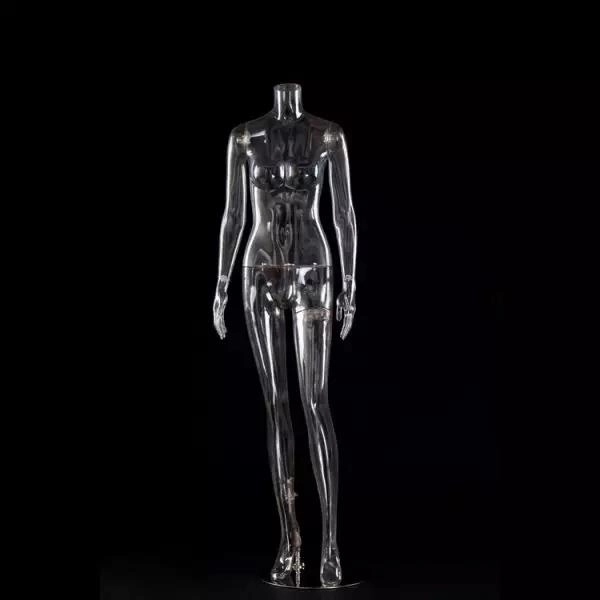
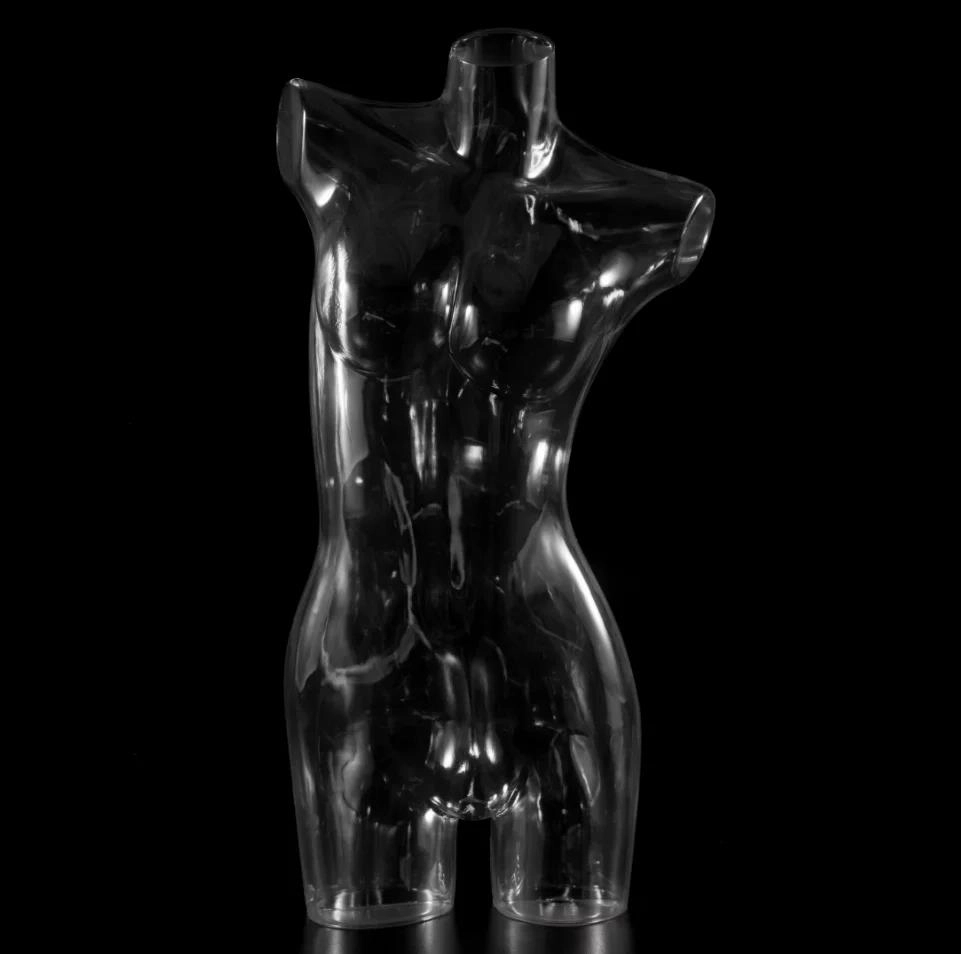
The Female S-shaped figure model from Posh Concept Mannequins is part of the Transparent Mannequins range. Manufactured from PC material, this model has an overall height of 81 cm, a bust measurement of 89 cm, a waist measurement of 65 cm, and a hip measurement of 91 cm. These proportions provide a practical reference when considering which women's clothing styles are suitable for this type of display.
Why S-Shaped Mannequins Work Well for Women's Clothing
An S-shaped mannequin is characterized by the visual transition between the upper body, a defined waist, and the hip area. This shape creates a more pronounced silhouette than a straight or relatively uniform body form.
In fashion retail, this distinction matters because clothing does not always hang in the same way on different body shapes. A fitted garment may look relatively flat on a straight mannequin but show more clearly defined shaping when displayed on a figure with a narrower waist and fuller bust and hip measurements.
For example, garments featuring waist darts, curved seams, wrap construction, or fitted panels rely on the relationship between different body measurements. An S-shaped mannequin helps communicate these design features without requiring additional styling elements.
The proportions of the mannequin should still be considered alongside the garment's actual size and construction. Its purpose is to present the intended shape of the clothing, not to suggest that every garment will fit every body type in the same way.
1. Fitted Dresses and Bodycon Styles
Fitted dresses are among the most suitable clothing categories for S-shaped mannequins. These garments are designed to follow the body's outline, making the relationship between the bust, waist, and hips especially important.
Bodycon dresses, sheath dresses, and other close-fitting designs can benefit from the mannequin's defined waistline. When a dress is displayed on a figure with an 89 cm bust, 65 cm waist, and 91 cm hips, the contrast between the upper and lower body helps communicate the garment's shaping.
Retailers can use this type of display to highlight several design details:
Waist seams that create a shaped silhouette.
Stretch fabrics designed to follow the body.
Curved side panels and contour stitching.
Dresses with fitted bodices and shaped skirts.
Side slits and asymmetrical design details.
When selecting a fitted dress, it is important to check the garment's bust, waist, and hip measurements rather than relying only on its labeled size. Fabric elasticity also makes a difference. A stretch jersey dress and a structured woven dress may behave quite differently on the same mannequin.
For display purposes, the garment should sit naturally around the waist and hips without excessive pulling or visible distortion.
2. Wrap Dresses and Waist-Defined Garments
Wrap dresses are another strong option because their construction naturally emphasizes the waist. The overlapping front panels, adjustable ties, and diagonal lines create a visual connection between the upper body and lower body.
On an S-shaped mannequin, these details can be presented clearly. The defined waist provides a natural reference point for the wrap belt, while the bust and hip proportions help show how the garment's panels are arranged.
Other garments with similar construction can also work well, including:
Belted shirt dresses.
Peplum tops.
Fitted blouses with waist ties.
Tailored jackets with shaped seams.
Dresses with gathered waist sections.
When dressing the mannequin, make sure the wrap panels overlap correctly and the waist tie is positioned at the garment's intended waistline. An incorrectly placed belt can change the proportions of the outfit and make the clothing appear poorly fitted.
For retailers displaying collections built around feminine tailoring, wrap construction, or defined waistlines, this mannequin shape offers a useful way to communicate the intended design.
3. High-Waisted Trousers and Fitted Bottoms
High-waisted trousers, skirts, and fitted bottoms are also worth considering. These garments often depend on the position of the waistline and the way the fabric transitions across the hips.
The 65 cm waist and 91 cm hip measurements of the Female S-shaped figure model provide useful reference points when checking the fit of these garments.
High-waisted trousers can be particularly effective because their waistband sits near the narrowest part of the mannequin's torso. This makes the difference between the waist and hip measurements more visible.
Suitable clothing options include:
High-waisted tailored trousers.
Slim-fit pants.
Pencil skirts.
A-line skirts with fitted waistbands.
Stretch denim and fitted leggings.
For tailored trousers, pay attention to the waistband, front rise, and hip area. If the garment is too small, the waistband may pull or the fabric may create unwanted tension around the hips. If it is too large, the waistband may sit loosely and fail to show the intended shape.
For skirts, the length and fabric structure should also be considered. A fitted pencil skirt can emphasize the hip line, while an A-line skirt introduces additional volume below the waist.
4. Cropped Tops and Fitted Blouses
Cropped tops and fitted blouses are useful for displays where the waistline is intended to remain visible.
A shorter top can draw attention to the transition between the upper body and the waist, particularly when paired with high-waisted trousers or skirts. This combination is frequently used in contemporary casualwear and fashion collections.
Fitted blouses with darts, shaped side seams, and stretch panels can also benefit from an S-shaped display form.
When styling these garments, retailers should consider:
Whether the hem ends naturally above the waist or at the waistband.
Whether the shoulder and bust areas sit correctly.
Whether the fabric gathers around the waist.
Whether the top maintains its intended silhouette when paired with a bottom garment.
The 89 cm bust measurement provides a reference for checking the upper-body fit, while the 65 cm waist measurement helps evaluate how the garment transitions toward the lower torso.
For layered displays, a cropped jacket over a fitted top can introduce visual depth without completely hiding the mannequin's silhouette.
5. Sportswear and Stretch-Fit Clothing
Sportswear is another practical category for S-shaped mannequins, especially when the collection includes fitted leggings, athletic tops, sports bras, and coordinated activewear sets.
Many sportswear products use elastic fabrics and body-conscious construction. Their visual appeal often depends on how the garment follows the body's contours.
A fitted athletic top paired with high-waisted leggings can create a coordinated display that clearly communicates the relationship between the two pieces.
For this type of presentation, retailers can consider:
High-waisted yoga leggings.
Fitted training tops.
Stretch sports bras.
Matching athletic sets.
Lightweight fitted jackets.
Fabric tension is particularly important when displaying sportswear. The garment should look smooth and properly positioned without being stretched beyond its intended shape.
For brands presenting coordinated activewear collections, using an S-shaped mannequin can help show how different pieces work together as a complete outfit.
6. Clothing Styles That May Need More Careful Styling
Although S-shaped mannequins are suitable for many fitted garments, some clothing styles require more careful consideration.
Oversized shirts, loose knitwear, boxy jackets, and wide-cut dresses are designed to create volume rather than follow the body's outline. Their appearance may cover much of the mannequin's natural shape.
This does not mean these garments cannot be displayed on an S-shaped figure. Instead, the styling approach should focus on the garment's own construction.
For example, an oversized shirt can be partially tucked into high-waisted trousers to introduce some waist definition. A loose jacket can be worn open over a fitted top, allowing the underlying silhouette to remain visible.
For loose dresses, retailers can use belts or other styling accessories when these are consistent with the original garment design.
The main consideration is whether the mannequin supports the visual message of the clothing collection. A strongly defined silhouette may be useful for fitted fashion, while oversized garments may require a different styling approach to communicate their intended volume.
Understanding the Product's Material and Measurements
Beyond garment compatibility, buyers should also consider the mannequin's material, dimensions, and intended display application.
The Female S-shaped figure model is manufactured from PC (polycarbonate) and belongs to Posh Concept Mannequins' Transparent Mannequins range.
Its main specifications are:
| Specification | Measurement |
|---|---|
| Material | PC |
| Overall Height | 81 cm / 31.89 inch |
| Bust | 89 cm / 35.04 inch |
| Waist | 65 cm / 25.59 inch |
| Hip | 91 cm / 35.83 inch |
| Product Type | Female S-shaped figure model |
| Product Range | Transparent Mannequins |
PC is used in mannequin manufacturing because of its material characteristics and suitability for forming transparent display products. Its clear appearance can help reduce visual distraction when the primary focus is the clothing.
This is particularly useful when displaying garments with distinctive colors, prints, textures, or construction details. The transparent form allows more attention to remain on the garment itself.
Before ordering, buyers should also confirm the complete product configuration, including mounting requirements, available accessories, and the intended display position.
How to Create More Effective Displays with an S-Shaped Mannequin
Selecting suitable clothing is only one part of effective visual merchandising. The way the outfit is assembled and positioned also affects the final result.
First, choose garments that match the mannequin's measurements. Check the bust, waist, and hip areas individually, especially when working with fitted dresses or structured clothing.
Second, avoid unnecessary fabric tension. Pulling a garment too tightly can create wrinkles and distort its intended design. The clothing should follow the mannequin naturally.
Third, coordinate the upper and lower garments. For example, a fitted blouse with high-waisted trousers creates a clear waistline, while a wrap top paired with a pencil skirt emphasizes the relationship between the upper body and hips.
Finally, consider the surrounding display environment. Background colors, lighting, and nearby products should support the clothing rather than compete with it. Transparent mannequins can be particularly useful in displays where visual simplicity is important.
Posh Concept Mannequins: Developing Sustainable Solutions for Fashion Retail
Choosing the right mannequin also involves considering the manufacturer behind the product. Material selection, production methods, customization capabilities, and manufacturing consistency all influence the suitability of mannequins for commercial retail applications.
Posh Concept Mannequins (SHANGMEI) was officially founded in 2012 and introduced blow molding technology into retail mannequin production. PC mannequins became one of its first major sustainable display solutions.
Over the following years, the company expanded its international business and developed collaborations with global fashion and sportswear brands. Its milestones include cooperation with H&M in 2015, Decathlon in 2018, BONAMI in 2019, and adidas in 2022.
Its material development also expanded beyond PC to include PP, PE, and ABS. In 2023, the company introduced ocean-recycled PP materials into mannequin production, further developing its approach to circular material systems.
Manufacturing capabilities have continued to evolve. In 2024, the company advanced its digitalization and intelligent manufacturing systems. In 2026, it introduced new-generation cast aluminum formwork technology into production, helping reduce mold costs while maintaining consistent product quality and surface finishing.
SHANGMEI operates a 10,000 m² manufacturing facility supported by more than 100 professionals and a dedicated engineering team. With monthly production capacity exceeding 5,000 mannequins and exports to more than 30 countries and regions, the company serves the requirements of international retail markets.
Its manufacturing philosophy focuses on responsible production processes and the development of sustainable mannequin solutions for global fashion brands.
Conclusion
An S-shaped female mannequin is particularly suitable for displaying clothing that relies on defined waistlines, fitted construction, and the relationship between bust and hip proportions. Bodycon dresses, wrap dresses, high-waisted trousers, fitted blouses, and stretch sportswear are all practical options for this type of display.
The Female S-shaped figure model from Posh Concept Mannequins offers an 81 cm PC transparent display form with 89 cm bust, 65 cm waist, and 91 cm hip measurements. These specifications provide a useful reference for retailers when selecting garments and planning coordinated fashion displays.
By matching clothing styles to the mannequin's proportions and considering material, garment construction, and display conditions, retailers can create more consistent presentations that communicate the design features of their collections.
With its experience in PC mannequin manufacturing, material innovation, and global retail partnerships, Posh Concept Mannequins (SHANGMEI) continues to develop display solutions for the changing needs of fashion retail.