

 English
 Italian
 Spanish
 Japanese
 Swedish
 Portuguese
 Lithuanian
 Dutch
 Korean
 Russian
 French
 German
 Arabic
Using a Female Figure Model to Showcase Swimwear Design Details
Swimwear is one of the most detail-sensitive categories in fashion retail. Unlike many everyday garments, swimsuits are designed to fit closely to the body, making their proportions, cut, fabric construction, and overall silhouette particularly important to how customers perceive a product. Whether displaying a one-piece swimsuit, bikini bottom, or high-waisted swimwear design, retailers need a presentation method that allows shoppers to understand the garment beyond its color and pattern.
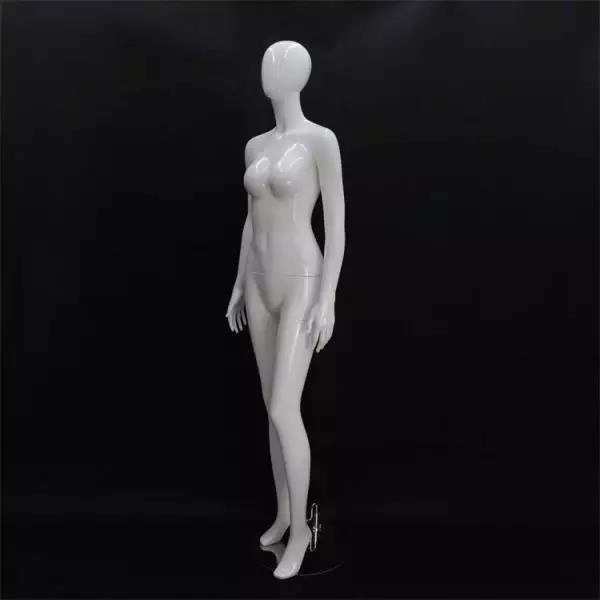
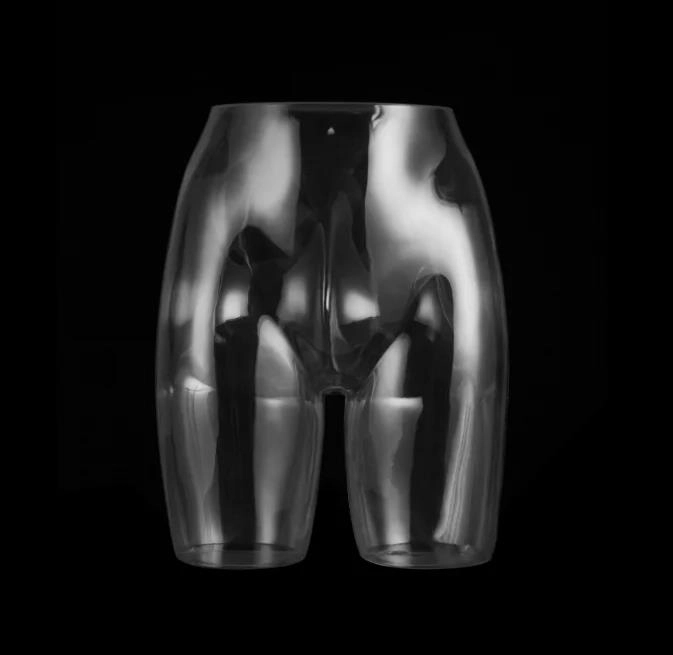
A well-selected display model can make these details easier to evaluate. A Female figure model offers a practical way to present swimwear proportions, highlight waist and hip shaping, and help retail buyers or designers examine how different styles are visually structured. For brands and retailers working with compact product displays, this type of figure model can also provide a focused presentation without requiring a full-size mannequin.
Why Body Proportions Matter in Swimwear Display
Swimwear design depends heavily on the relationship between different body areas. The waistline, hip coverage, leg opening, and torso proportions all influence how a swimsuit looks when presented to customers.
For example, a high-waisted bikini bottom is designed to emphasize waist coverage, while a low-rise style creates a different visual balance. Similarly, a high-cut leg opening can make a swimsuit appear more elongated, whereas a fuller-coverage bottom places greater emphasis on comfort and coverage.
When swimwear is displayed flat or on a simple hanger, some of these design characteristics can be difficult to recognize. The garment may fold naturally, lose its intended shape, or conceal important construction details.
A figure model provides a more structured presentation surface. It allows retailers to show how a swimsuit wraps around the waist and hips, how the fabric follows the body's contours, and where specific design elements are positioned.
For product development teams, this is also useful when comparing different samples. Instead of evaluating each garment only as a flat textile product, designers can examine how its proportions translate into a three-dimensional display.
How a Female Figure Model Highlights Swimwear Design Features
Different swimwear styles require different presentation approaches. A suitable display model helps make these differences more visible, particularly around the waist and hip areas.
Waistline and rise design
The position of a swimsuit's waistband affects its overall appearance. High-rise, mid-rise, and low-rise bottoms create distinct visual proportions. Displaying these designs on a figure model makes it easier to compare waistband placement and the amount of coverage provided.
Hip coverage and leg openings
The shape of the hip area is another important part of swimwear design. Some styles provide full hip coverage, while others use narrower side panels or higher leg openings. A figure model helps present these differences without requiring customers to imagine the garment's shape from a flat product photograph.
Fabric stretch and surface appearance
Swimwear commonly uses stretch fabrics such as nylon-spandex and polyester-spandex blends. Their appearance can change depending on how the material is positioned and tensioned.
A figure model provides a consistent surface for arranging the garment, helping retailers observe fabric coverage, seams, color blocking, and printed patterns. It does not replace testing the fabric's actual stretch or recovery properties, but it makes the visual presentation more informative.
Construction and decorative details
Features such as side ties, gathered fabric, contrast stitching, waistbands, and decorative hardware can easily become less noticeable when a swimsuit is displayed on a hanger.
A shaped display model helps position these details more clearly, making it easier for buyers to inspect the design and for retailers to communicate the product's appearance.
Choosing the Right Display Model for Swimwear
When selecting a figure model for swimwear presentation, retailers should consider the garment category, display dimensions, material, and measurement requirements.
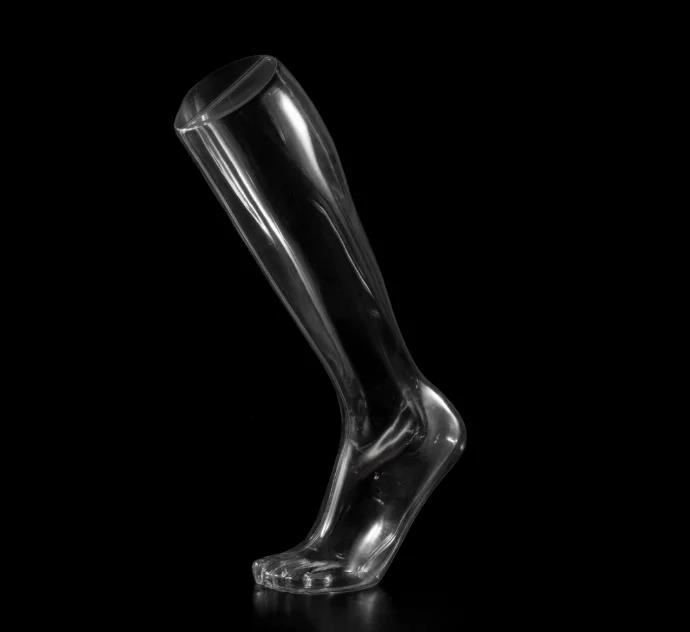
The Female figure model from Posh Concept Mannequins is part of its Transparent Mannequins range. Manufactured from PC (polycarbonate) raw material, this model is designed for focused garment presentation.
Its listed dimensions include:
| Specification | Measurement |
|---|---|
| Material | PC |
| Model | Female figure model |
| Height | 46 cm / 16.14 in |
| Waist | 67 cm / 26.38 in |
| Hip | 94 cm / 37.01 in |
These measurements provide useful reference points when determining whether the model is suitable for a particular swimwear sample.
The 67 cm waist and 94 cm hip measurements establish a defined proportion for displaying garments around these areas. Retailers can use these dimensions to assess how bikini bottoms, swim briefs, and other waist-to-hip garments fit on the display model.
The overall height of 46 cm also makes it suitable for compact product presentation. Rather than occupying the space required by a full-body mannequin, a smaller figure model allows attention to remain on the garment itself.
Before selecting a model, buyers should compare its measurements with their intended garment size range. A display model should represent the proportions needed for the presentation rather than being treated as a universal fit reference for every swimwear collection.
Using Transparent Models to Keep Attention on the Garment
Display materials influence how customers perceive the product being presented. In swimwear retail, where colors, prints, and fabric textures are central to purchasing decisions, the display structure should not unnecessarily compete with the garment.
Transparent mannequins offer a different visual approach from conventional opaque display forms. Their relatively unobtrusive appearance can help keep attention on the swimsuit, particularly when displaying colorful prints, distinctive fabric patterns, or carefully designed waist and hip details.
For example, a retailer presenting a new bikini collection may want customers to focus on the difference between several prints or the construction of different bottom styles. A transparent display model can provide the garment with a structured shape while maintaining a relatively minimal visual presence.
The PC material used in the Female figure model also makes material selection an important consideration for buyers. Polycarbonate is an engineering thermoplastic used in applications where impact resistance and dimensional stability are relevant material properties.
For retail display applications, buyers should also consider the model's surface finish, transparency, cleaning requirements, and handling conditions when assessing whether it meets their operational needs.
Practical Applications in Swimwear Retail and Product Development
A female figure model can be used in several stages of the swimwear retail process, from product development to merchandising and photography.
Swimwear collection presentation
Fashion brands can use figure models to display selected designs during collection reviews. Different bikini bottoms, swimwear cuts, and fabric patterns can be presented in a consistent format, making comparisons between styles easier.
Retail product photography
For e-commerce teams, compact figure models provide another option for presenting swimwear products. They can help show the garment's waist and hip structure in product images, offering customers more visual information than flat-lay photography alone.
The model's transparent appearance may also be useful when a retailer wants the garment to remain the main visual subject.
Wholesale buyer meetings
During wholesale presentations, buyers often need to review multiple designs within a limited amount of time. A consistent display format makes it easier to compare garment construction, coverage, and design variations across a collection.
A figure model can be particularly useful for presenting selected samples without setting up a complete mannequin display for every product.
Store display and merchandising
Retailers with limited display space may prefer smaller presentation models for selected products. A compact figure model can be incorporated into a product display, counter presentation, or swimwear merchandising area where showing garment details is more important than creating a complete lifestyle scene.
Why PC Material and Manufacturing Quality Matter
The material used to manufacture a mannequin affects its weight, durability, appearance, and suitability for different retail environments.
PC, or polycarbonate, is widely used in engineering applications because of its impact-resistant characteristics and dimensional stability. In mannequin manufacturing, material processing and mold quality also influence the consistency of the finished product.
For retailers sourcing multiple display models, consistency is important. Differences in surface finish, transparency, dimensions, or product quality can affect the appearance of a coordinated retail display.
This is where manufacturing experience becomes relevant.
Posh Concept Mannequins, also known as SHANGMEI, was officially founded in 2012 and introduced blow molding technology into retail mannequin manufacturing. Its early development focused on PC mannequins as an alternative approach to more conventional display products.
The company subsequently expanded its material systems to include PP, PE, and ABS, developing different solutions for retail display requirements. Its collaborations with international fashion and sportswear brands, including H&M, Decathlon, BONAMI, and adidas, form part of its manufacturing development history.
Today, SHANGMEI operates with the engineering and manufacturing background of Cosmos Machinery Group, which brings more than 60 years of industrial experience. Its manufacturing infrastructure includes a 10,000 m² production facility, more than 100 professionals, and an output capacity of over 5,000 mannequins per month. Its products are exported to more than 30 countries and regions.
The company also continues to explore sustainable manufacturing methods, including the use of ocean-recycled PP materials and improvements to intelligent manufacturing systems. These developments reflect its broader focus on material innovation and more responsible retail display production.
For global retailers and fashion brands, working with an experienced mannequin manufacturer can support consistent product quality, customized display requirements, and long-term sourcing arrangements.
How to Get More Value from a Swimwear Display Model
Selecting a suitable figure model is only one part of an effective swimwear presentation strategy. How the garment is prepared and positioned also makes a difference.
First, ensure the swimsuit is correctly aligned around the waist and hip areas. Twisted fabric or uneven side panels can make the product appear poorly fitted, even when the garment itself is correctly manufactured.
Second, adjust the garment so that its intended coverage and design features are visible. For example, the waistband of a high-rise bikini bottom should be positioned consistently, while side ties and decorative details should not be hidden behind folded fabric.
Third, use consistent lighting when photographing or presenting multiple styles. This helps customers compare colors, prints, and material finishes without unnecessary visual differences caused by the display environment.
Finally, choose a model whose dimensions correspond to the intended product presentation. A figure model should support accurate visual communication rather than create misleading expectations about the garment's fit.
Conclusion
Swimwear display requires careful attention to body proportions, fabric presentation, and garment construction. A suitable figure model helps retailers communicate these details more clearly, whether they are presenting a new collection, preparing e-commerce product images, or organizing wholesale samples.
With its PC construction, 46 cm overall height, 67 cm waist, and 94 cm hip measurements, the Female figure model offers a compact option for showcasing swimwear designs and highlighting important waist-to-hip details.
For fashion retailers and brands seeking display solutions backed by manufacturing experience and material innovation, Posh Concept Mannequins provides a range of mannequin products developed around practical retail requirements and sustainable manufacturing considerations. Selecting the right display model can make swimwear presentations more consistent, informative, and visually focused.