
 English
 Italian
 Spanish
 Japanese
 Swedish
 Portuguese
 Lithuanian
 Dutch
Dutch Korean
 Russian
 French
 German
 Arabic
68 cm Male Half-Length Mannequin: Which Garments Fit Best?
Choosing the right mannequin for a clothing display starts with understanding the garments it needs to present. A form that works well for a fitted shirt may not create the same result with a structured jacket or a layered outfit. Retail buyers therefore need to consider the mannequin's dimensions, body shape, display purpose, and the way clothing sits on the form before placing an order.
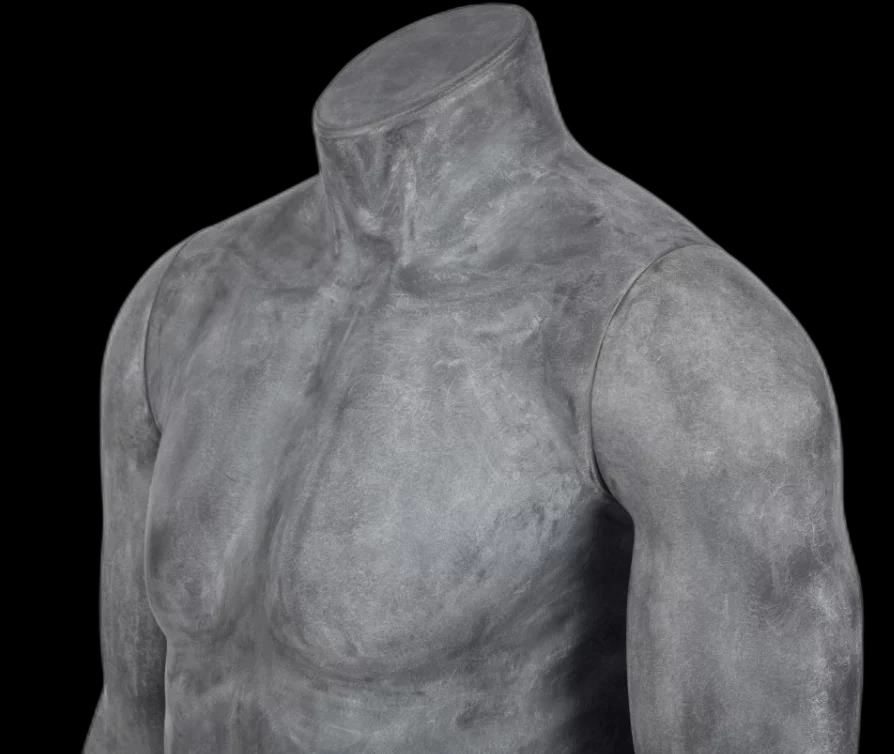
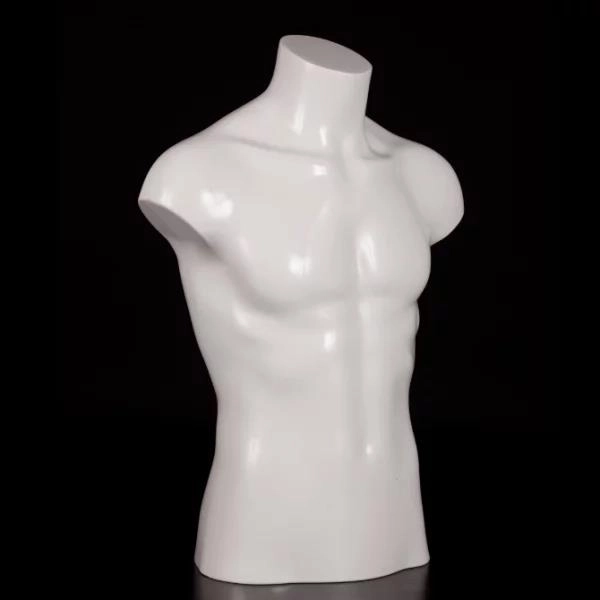
The Male half-length model from Posh Concept Mannequins is part of the company's Solid-Color Mannequins range. With an overall height of 68 cm, a bust measurement of 96 cm, and a waist measurement of 78 cm, it provides a defined set of dimensions for buyers to evaluate against their men's apparel collections. These measurements are a useful starting point, but the best garment match also depends on cut, fabric, size, and the intended presentation.
1. Start with the Mannequin's Dimensions
A mannequin's measurements influence how a garment hangs and how its shape appears to shoppers. Before selecting clothing for a half-length model, buyers should review the height, bust, waist, and any other available measurements against the dimensions of the garments they intend to display.
The listed measurements for this model are:
Overall height: 68 cm (26.77 inches)
Bust: 96 cm (37.8 inches)
Waist: 78 cm (30.71 inches)
Hip: 48 cm (18.9 inches)
Material: PC
Standard: Male half-length model
These figures should be treated as product dimensions rather than a direct equivalent to a standard clothing size. Clothing size labels vary by country, brand, cut, and fit category. A men's medium shirt from one manufacturer may have different chest measurements from a medium shirt from another.
For this reason, buyers should compare the mannequin's measurements with the actual garment measurements whenever possible. The shoulder width, armhole construction, and body shape may also affect how a shirt or jacket sits on the form. If those dimensions are important to the display, request the complete specification from the supplier before finalizing the selection.
2. Shirts Are a Practical Starting Point
Men's shirts are one of the most straightforward garment categories to evaluate for a half-length mannequin. Button-down shirts, casual shirts, polo shirts, and many lightweight tops can benefit from an upper-body display that makes the collar, chest, sleeves, and front closure easy to see.
For button-down shirts, begin by checking the chest area and shoulder fit. The fabric should sit naturally without excessive pulling across the buttons or large folds around the armholes. A shirt that is too small for the form may show tension lines, while an oversized shirt may hang loosely and obscure the intended silhouette.
Polo shirts and casual tops require a slightly different assessment. Buyers should check the collar shape, sleeve position, and drape around the waist. Lightweight fabrics may reveal the mannequin's contours more clearly, so it is worth testing the actual fabric rather than relying only on the garment's labeled size.
The Male half-length model can be evaluated with representative shirts from the target collection before a larger display order is approved. Testing several styles is more useful than checking a single sample because a store may need to present different fits, fabrics, and seasonal ranges on the same mannequin type.
3. Check Whether Jackets and Outerwear Sit Correctly
Structured garments need closer evaluation because their shape depends on more than chest circumference. Blazers, denim jackets, lightweight coats, and casual outerwear may have reinforced shoulders, lining, thicker seams, or a more fitted cut.
When testing a jacket, first position the garment evenly on the mannequin. Check whether the shoulder seams sit in the intended position and whether the front panels hang without unusual twisting. Then inspect the lapels, collar, button line, and hem. These details are often prominent in retail displays and product photographs.
The bust measurement of 96 cm provides a useful reference for initial selection, but it does not guarantee that every jacket with a matching chest measurement will fit well. Garment ease, shoulder construction, and pattern design can all affect the result. Buyers should test the specific styles they plan to display, particularly when the clothing is tailored or made from relatively stiff fabric.
Half-length forms can be useful when the main merchandising message is concentrated on the upper body. For example, a display may focus on a jacket's cut, a shirt's collar, or the layering of a top beneath an open overshirt. If the product story depends on the full outfit, including the trousers and footwear, a different mannequin format may be more suitable.
4. Use Half-Length Forms for Layered Outfits
Layering is common in men's fashion, especially in autumn and winter collections. A shirt worn beneath a sweater, an overshirt paired with a T-shirt, or a light jacket styled over a knit top can communicate how individual garments work together.
However, each additional layer changes the total volume around the chest, shoulders, and waist. A combination that fits comfortably on a person may look too tight on a mannequin if the form does not provide enough space. Conversely, loose layers may lose their shape if they are not arranged carefully.
When planning a layered display, test the thickest or most structured combination first. Check whether the outer garment closes correctly, whether the inner layer remains visible, and whether the sleeves and shoulders retain their intended shape. If the styling relies on an open jacket, confirm that the front panels fall naturally rather than spreading too far apart.
The 78 cm waist measurement of the Male half-length model can help buyers assess the lower portion of shirts and outerwear, but it should not be used alone to determine the fit of a layered outfit. The full garment pattern and the volume of the combined layers remain important.
For a retail rollout, it is useful to photograph the approved styling from the front and side. These references help visual merchandising teams reproduce the display across stores without changing the proportions or hiding key garment details.
5. Consider the Display Purpose Before Choosing Garments
The most suitable garment is not always the one that fits the mannequin most tightly. The display should support the purpose of the product presentation.
For a shirt-focused promotion, the priority may be collar shape, fabric texture, and the alignment of buttons. For an outerwear campaign, the emphasis may be on the shoulder line, lapel structure, or the relationship between an inner and outer layer. An e-commerce image may require a clean, repeatable silhouette, while a physical store display may need to work alongside shelves, signage, and other products.
Half-length mannequins can be useful when display space is limited or when the upper garment is the main item being promoted. They can also support coordinated presentations in which several tops are shown at a consistent height. Buyers should nevertheless confirm how the model will be mounted, positioned, and viewed in the intended setting. The product specification should clarify any mounting or accessory requirements relevant to the planned installation.
For teams working across several stores, consistency matters. Selecting a defined mannequin model and documenting the approved garment combinations makes it easier to maintain a recognizable presentation across different locations.
6. Understand the Role of PC Material
The listed material for this model is PC, or polycarbonate. Material is an important part of mannequin procurement because it forms part of the product specification and may affect the manufacturer's processing choices, the final surface, and the way the product should be handled.
Buyers should ask the supplier for any material or care guidance relevant to the intended retail environment. Cleaning procedures, handling practices, and compatibility with cleaning agents should be confirmed rather than assumed from the material name alone. If the display requires a particular finish or appearance, request a current product image or physical sample for review.
The product belongs to the Solid-Color Mannequins range. Buyers should confirm the available appearance and standard finish for the specific model, especially when coordinating it with store fixtures, garment colors, or a wider visual merchandising concept.
Posh Concept Mannequins, also known as SHANGMEI, has developed mannequin manufacturing capabilities since its founding in 2012. The company introduced blow molding technology to retail mannequins and later expanded its material systems from PC to include PP, PE, and ABS. Its development history also includes work on production efficiency, customization capabilities, and more recent material innovation.
For buyers, this background can provide useful context when evaluating a supplier. The final decision should still be based on the specific product, confirmed specifications, sample quality, and the requirements of the project.
7. Prepare a Garment Fit Check Before Ordering
A short sample evaluation can help purchasing and merchandising teams identify problems before a bulk order is confirmed. The process does not need to be complicated, but it should reflect the garments and display conditions that matter most.
Start by selecting representative items from the collection. Include at least one standard shirt, one structured garment if outerwear is part of the display, and one layered combination if the styling plan requires it. Compare garment measurements with the mannequin's specifications and check how each item sits when dressed.
Inspect the shoulder seams, chest, armholes, front closure, and lower hem. Look for excessive pulling, unexpected folds, uneven draping, or areas where the garment loses its intended shape. Take photographs of the approved results and record which garment sizes and styles were tested.
If the product is intended for repeated use across multiple stores, ask the supplier to confirm the complete dimensions and any relevant handling or mounting information. Keep the approved model specification with the merchandising plan so that subsequent orders can be checked against the same requirements.
This process helps distinguish between a mannequin that looks suitable in a product image and one that works with the actual clothing collection.
Choose the Mannequin Around the Clothing
A good mannequin selection begins with the garments, not just the product photograph. Shirts and casual tops are useful starting points for a half-length form, while structured jackets and layered outfits require more careful checks around the shoulders, chest, and waist. Product dimensions provide a reference, but the final assessment should always include the actual garment and intended display conditions.
The Male half-length model from Posh Concept Mannequins offers a defined 68 cm height and listed bust, waist, and hip measurements for buyers planning men's upper-body displays. Before ordering, compare these dimensions with the target garments, confirm the complete product specification, and review a sample where possible. A clear fit-check process helps retail teams create more consistent displays and make purchasing decisions based on practical requirements rather than assumptions.