

 English
 Italian
 Spanish
 Japanese
 Swedish
 Portuguese
 Lithuanian
 Dutch
Dutch Korean
 Russian
 French
 German
 Arabic
Transparent Male Mannequins: How Clear Design Changes Retail Displays
A retail display does more than present clothing. It helps shoppers understand how a garment fits, how it moves, and how it should be styled. As stores look for cleaner and more flexible visual merchandising solutions, transparent mannequins are becoming an interesting alternative to traditional opaque forms.
Instead of making the mannequin itself the visual focus, a clear body allows more attention to remain on the garment. This can be particularly useful in contemporary stores, window displays, sportswear environments, and installations where the surrounding architecture or interior design is an important part of the presentation. The combination of transparency, realistic proportions, and durable material gives retailers another way to build a display without visually filling the space.
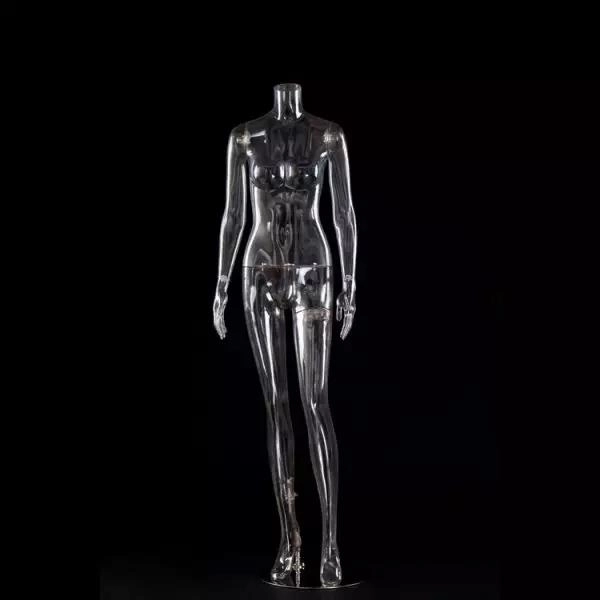
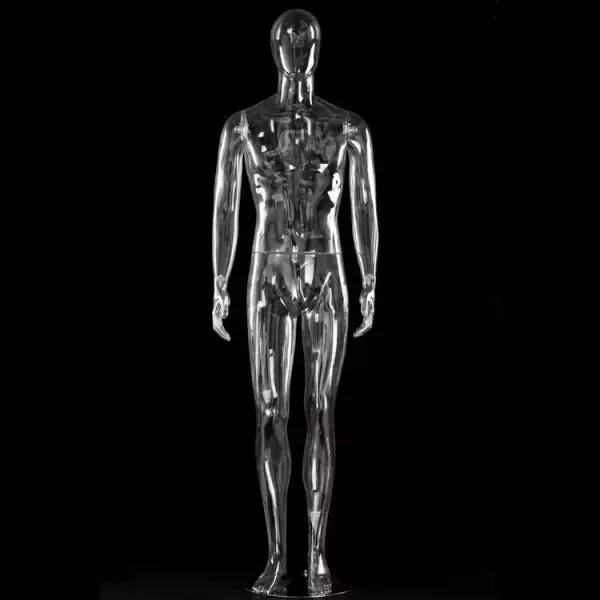
For applications that require a full male figure, the Male full-body model from Posh Concept Mannequins provides a practical example of how transparent construction can be integrated into retail display design.
Why Transparency Changes the Way Clothing Is Presented
Traditional mannequins usually have a solid body that creates a strong visual block behind the clothing. This can work well when the mannequin is intended to be a dominant part of the display, but it can also compete with the garments and surrounding elements.
A transparent mannequin takes a different approach. Because the body is visually lighter, the clothing becomes the primary point of attention. Background walls, shelving, lighting, graphics, and architectural details remain visible instead of being interrupted by a solid mannequin body.
This makes transparent designs useful for retailers that prefer a clean and modern presentation. A clear mannequin can also help create a more open appearance in smaller display areas where every visual element affects the perception of space.
For male apparel, this approach can be particularly useful when displaying shirts, jackets, trousers, sportswear, or coordinated outfits. The mannequin still provides the three-dimensional structure needed to show the garment correctly, while its transparent body has less influence on the overall visual composition.
PC Material for a Practical Transparent Display
Material selection is important when transparency needs to be combined with a usable retail display structure. The Male full-body model is manufactured from PC raw material, providing a material platform suited to transparent mannequin production.
PC, or polycarbonate, is widely used where a combination of transparency and physical performance is required. For retail mannequins, the material needs to do more than look clear. The mannequin must maintain its form during handling, dressing, repositioning, and repeated use.
This is especially relevant for commercial environments where visual merchandising teams regularly change collections. A mannequin that is difficult to handle or easily damaged can increase maintenance work, even if its appearance is attractive.
Using PC also supports the concept behind transparent mannequins: the material itself becomes part of the design. Instead of adding a colored surface to define the mannequin, the clear structure allows the garment, lighting, and store environment to provide most of the visual character.
Proportions Still Matter in Transparent Mannequins
Transparency does not eliminate the importance of body proportions. In fact, when the mannequin is visually minimal, accurate dimensions become even more noticeable because there are fewer design elements to distract from the silhouette.
The Male full-body model has an overall height of 190 cm, or 74.8 inches. Its listed measurements include a 96 cm bust, 74 cm waist, and 95 cm hip.
These dimensions provide a practical reference for apparel selection and fitting. Retail teams can use the measurements when deciding which garments are suitable for the mannequin and when planning the visual relationship between the figure and other display elements.
For example, a tailored jacket needs sufficient shoulder and chest structure to present its cut properly. A fitted shirt needs to sit naturally around the torso, while trousers depend on the relationship between the waist, hip, and leg structure. A mannequin that does not correspond reasonably well with the intended clothing can make even a well-designed garment look poorly presented.
With transparent designs, the overall silhouette remains visible while the clear material keeps the body from becoming a strong competing color.
Where Transparent Male Mannequins Work Best
The usefulness of a transparent mannequin depends largely on the environment in which it is placed. It is not simply a replacement for every conventional mannequin.
In fashion stores, transparent male mannequins can work well for seasonal collections where the clothing changes frequently. The neutral visual appearance makes it easier to move between different color palettes and garment styles without redesigning the entire display.
Window displays are another suitable application. A transparent figure can allow more of the background installation to remain visible, which is useful when the window concept depends on lighting, graphics, architectural structures, or layered visual elements.
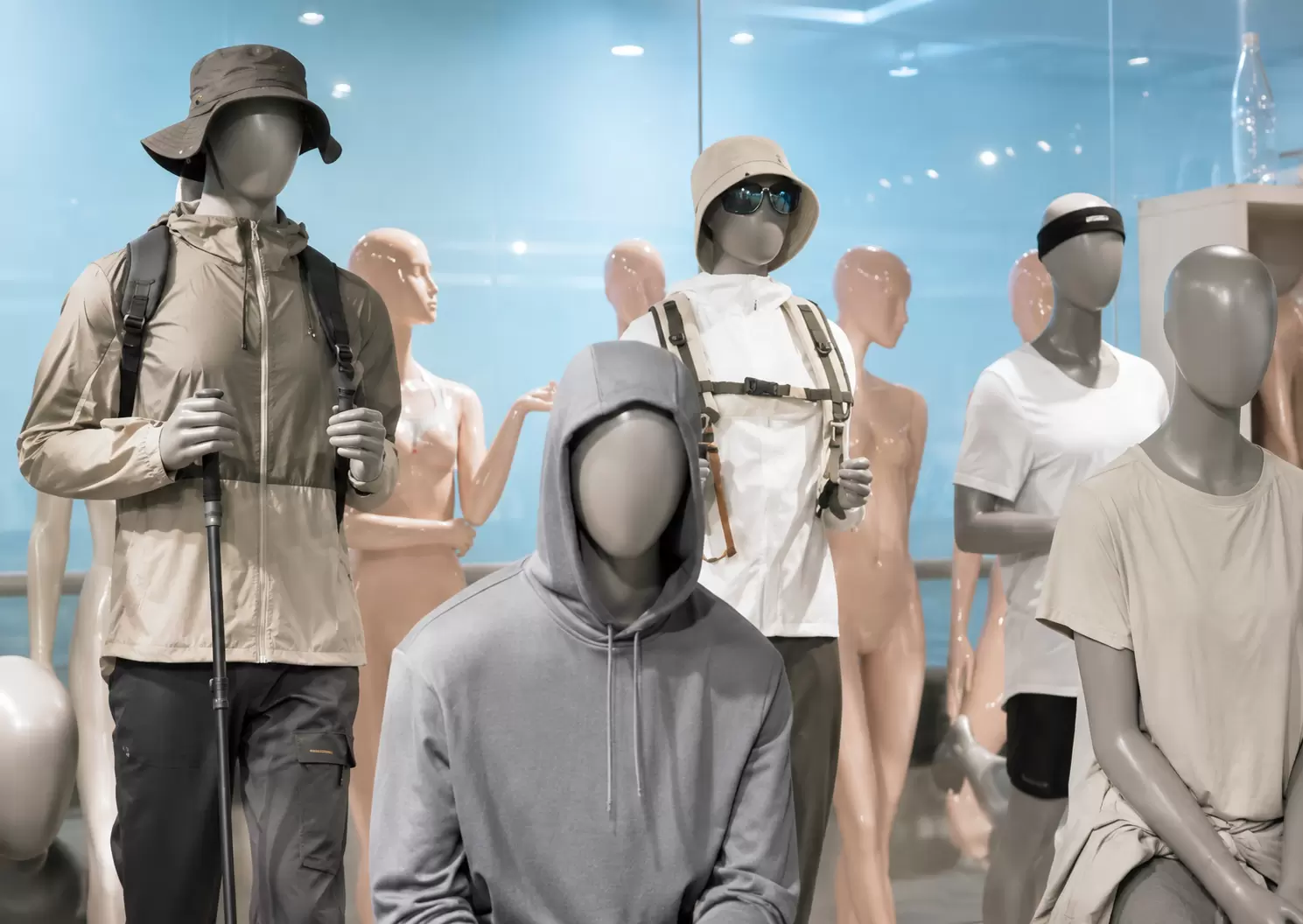
Sportswear retailers can also use transparent mannequins when they want the clothing to remain the dominant visual feature. Technical jackets, training tops, jerseys, and coordinated sports outfits often rely on shape and layering to communicate product characteristics. A visually restrained mannequin can support this presentation without introducing another strong color or pattern.
Pop-up stores and temporary retail installations can benefit as well. When displays need to be assembled and changed quickly, a versatile mannequin can be used across multiple campaigns without being strongly associated with one particular collection.
Using Transparency With Lighting and Store Architecture
Lighting can significantly change how a transparent mannequin appears.
Direct lighting can emphasize the edges and contours of the figure, while softer lighting can make the body visually recede behind the clothing. Backlighting can also create a different effect by separating the transparent structure from the background.
This gives visual merchandising teams more control over the final appearance. Instead of relying on the mannequin's surface color, they can use the surrounding environment to define the display.
For example, a transparent male mannequin positioned against a textured wall can allow the wall to remain part of the visual story. In a minimalist store, the same mannequin can blend into a neutral background and keep the focus on the garment.
The important point is that transparency should be planned as part of the complete display rather than treated as an isolated product feature.
What Retail Teams Should Consider Before Choosing One
Before introducing transparent mannequins into a store, several practical factors should be considered.
First, check garment compatibility. Confirm that the mannequin's body dimensions correspond to the apparel sizes and silhouettes that will be displayed most often.
Second, consider the display environment. A transparent mannequin can look very different depending on the background, lighting, flooring, and surrounding fixtures. A clear design is most effective when these elements are considered together.
Third, review the material and manufacturing method. Retail displays are handled repeatedly, so the mannequin needs to be suitable for regular dressing, transportation, and repositioning.
Finally, think about consistency across the store. Transparent figures can be used as individual focal points or as part of a larger visual merchandising system. If several mannequins are used together, consistent proportions and finishing help create a more controlled presentation.
These practical considerations are often more important than simply choosing a mannequin because it looks different from a conventional model.
How Posh Concept Approaches Sustainable Mannequin Manufacturing
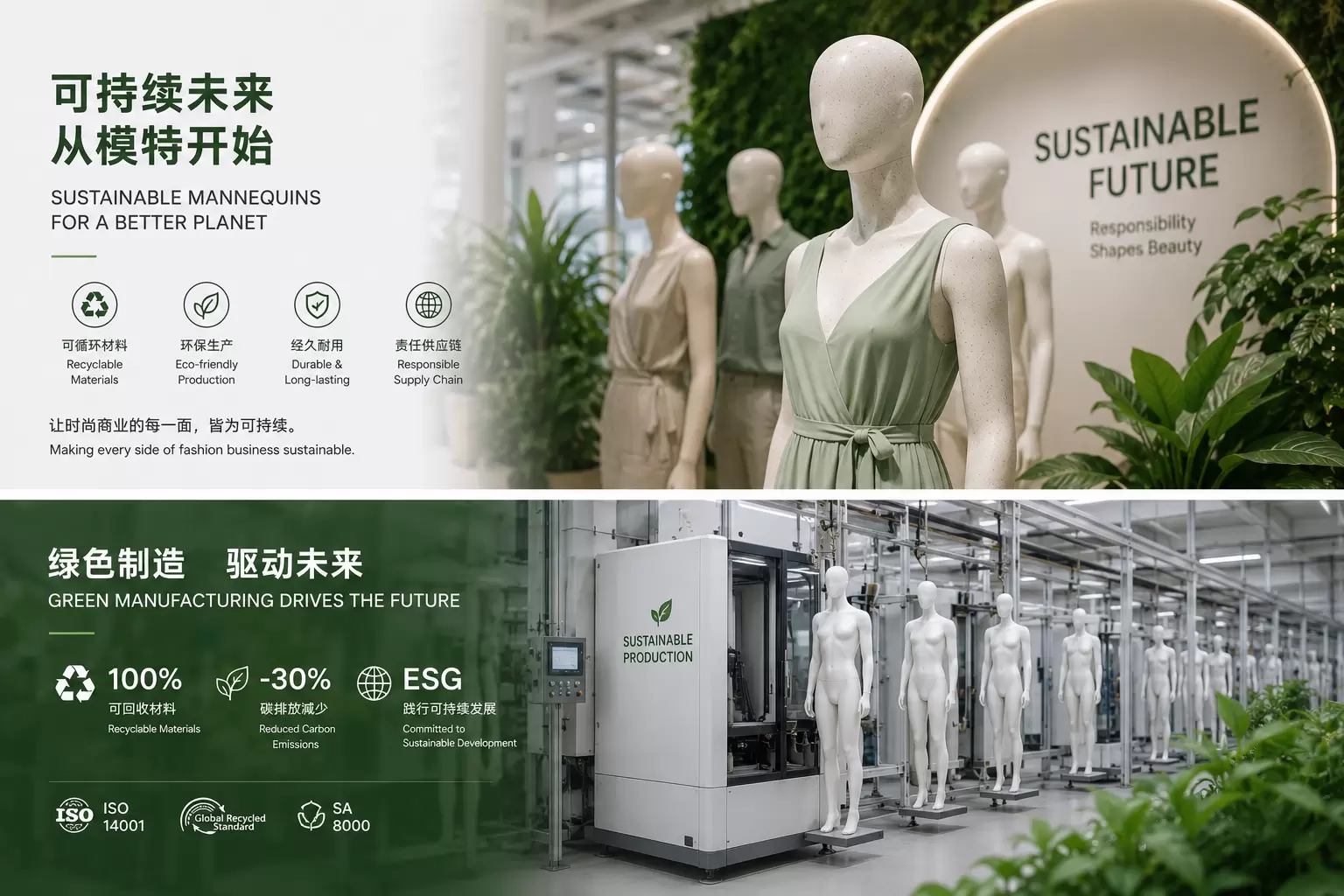
The development of transparent mannequins also reflects a broader change in the way retail display products are manufactured. Posh Concept Mannequins has focused on developing mannequin solutions around material innovation, manufacturing efficiency, and sustainable production.
The company was founded in 2012 and initially introduced PC mannequins using blow molding technology. Its development later expanded into materials including PP, PE, and ABS, while continuing to explore lower-impact and recycled material applications.
This material development has been accompanied by manufacturing upgrades. In 2023, ocean recycled PP materials were introduced into mannequin production, while later digital and intelligent manufacturing initiatives focused on improving production capabilities.
Today, Posh Concept Mannequins operates a 10,000 m² production facility with more than 100 professionals and a dedicated engineering team. Its manufacturing capacity reaches more than 5,000 mannequins per month, with products exported to more than 30 countries and regions.
For retailers, this manufacturing background matters because mannequin design is not only about the appearance of the finished figure. Material selection, production consistency, customization capability, and manufacturing processes all affect whether a display solution can be used effectively across different retail environments.
A Clearer Role for the Mannequin
Transparent mannequins do not need to compete with clothing to make an impact. Their value comes from doing almost the opposite: providing the structure required for a three-dimensional garment presentation while reducing the visual weight of the mannequin itself.
For retailers working with contemporary interiors, layered window displays, sportswear collections, or minimalist visual merchandising, this can create more flexibility in how the entire space is designed.
The Male full-body model demonstrates this approach through a 190 cm full-body form manufactured from PC material. With its transparent construction and defined male proportions, it can serve as a display foundation while allowing garments and surrounding design elements to remain visually prominent.
As retail environments continue to place greater emphasis on adaptable displays and responsible manufacturing, transparent mannequin designs offer a practical way to rethink the traditional relationship between the mannequin, the garment, and the space around them.