

 English
 Italian
 Spanish
 Japanese
 Swedish
 Portuguese
 Lithuanian
 Dutch
Dutch Korean
 Russian
 French
 German
 Arabic
RAW Mannequin Models: What Retail Buyers Should Confirm Before Ordering
Choosing a mannequin for a retail project involves more than selecting a body shape or deciding how garments should be displayed. Buyers also need to understand the material, surface condition, dimensions, and intended use of the product. These details become particularly important when sourcing a model from a special surface finish collection, where the starting material and the planned presentation can influence the final specification.
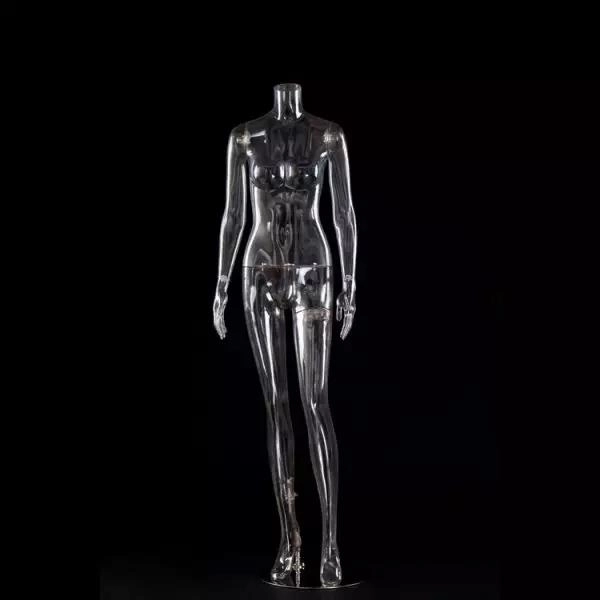
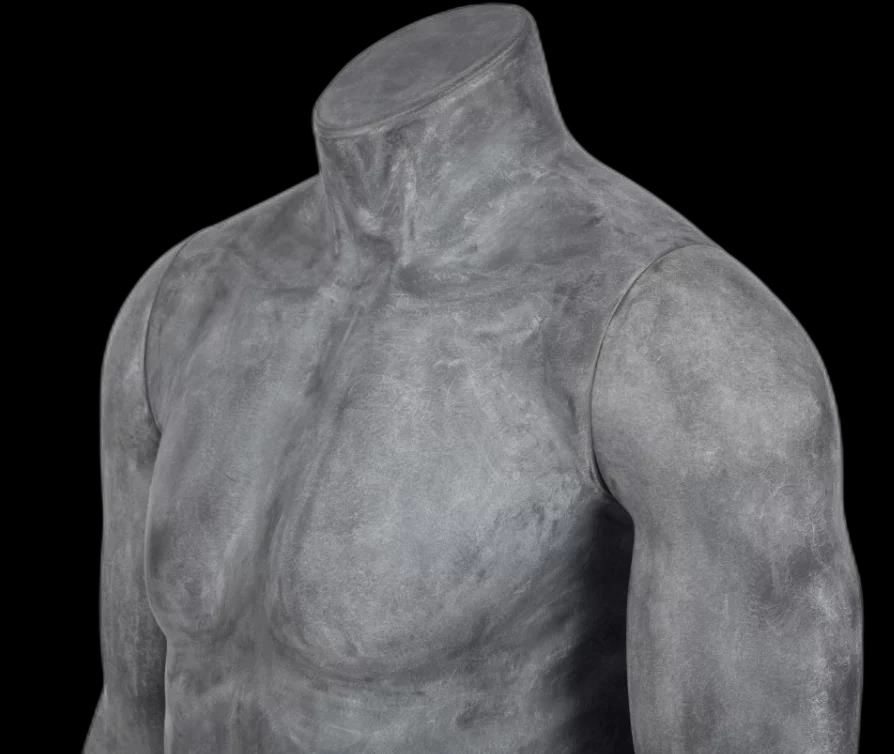
The RAW model from Posh Concept Mannequins belongs to the Special Surface Finishes range and is manufactured from PC raw material. For retail brands, visual merchandising companies, and display project buyers, the first step is to confirm exactly what the model includes and whether its specifications fit the intended application. Reviewing these details before ordering can help reduce misunderstandings during sampling, production, and installation.
1. Understand What a RAW Mannequin Model Means
In mannequin procurement, the term RAW indicates a model presented as a particular surface finish option. However, the precise meaning of RAW can vary between manufacturers, so buyers should confirm the supplier's definition rather than assume that every raw model has the same appearance or processing status.
For this product, the confirmed material is PC, and the standard is listed as RAW model. It is included in the Special Surface Finishes range. These details provide a starting point for evaluating the product, but they do not replace a review of the actual sample or a written specification.
Before requesting a quotation or sample, buyers should clarify the surface condition supplied as standard. For example, they can ask whether the model is intended to be displayed in its supplied condition or whether additional surface treatment is expected. They should also confirm whether any finishing work, accessories, or assembly requirements are included.
The goal is to establish a shared understanding of the product before moving to the next stage. A clear definition of the RAW finish helps purchasing teams compare samples accurately and communicate requirements to store designers, visual merchandising teams, and installation partners.
2. Confirm the PC Material and Its Suitability
Material selection affects how a mannequin fits into a retail display project. The RAW model is manufactured from PC, or polycarbonate, raw material. PC is an established engineering thermoplastic, but buyers should still assess the specific product rather than assume that all PC mannequins have identical performance or surface characteristics.
When evaluating a PC mannequin, purchasing teams should focus on the requirements of the actual project. These may include the intended display environment, expected handling frequency, appearance requirements, and compatibility with any planned finishing process.
If the mannequin will be handled frequently during seasonal merchandise changes, buyers should ask the supplier how the product should be handled, cleaned, stored, and transported. If a separate surface treatment is planned, they should confirm whether the intended process is suitable for the supplied material and whether testing is recommended before applying it to a complete unit.
It is also useful to distinguish between the general properties of PC and the confirmed characteristics of a specific mannequin. Material information alone does not establish the product's impact resistance, scratch resistance, UV performance, chemical compatibility, or suitability for every cleaning agent. Where these factors matter, request the relevant technical information or sample evaluation from the manufacturer.
A material review should therefore answer two practical questions: Is PC appropriate for the project requirements, and has the supplier confirmed that the specific model meets those requirements?
3. Request Complete Dimensions Before Finalizing the Order
Dimensions are among the most important details to confirm when purchasing mannequins for a retail rollout. A model may look suitable in a product image but still create problems if its measurements do not match garment sizes, display furniture, transport packaging, or the planned arrangement of multiple figures.
The published information for the RAW model advises buyers to contact the supplier for full dimensions. This means procurement teams should obtain the complete measurement sheet before approving a sample or confirming a bulk order.
Depending on the model design, the requested information may include overall height, shoulder width, chest or bust circumference, waist circumference, hip circumference, and relevant body or mounting measurements. Buyers should ask which measurements are available for this particular model rather than assume that every measurement applies.
Dimensions should be checked against the clothing and display plan. For example, a fashion retailer preparing a coordinated seasonal presentation may need to confirm whether the intended garments fit the mannequin's measurements and whether the figure can be positioned correctly on the planned platform or fixture. Window displays may also require checks for available height, sightlines, spacing, and access for installation.
For projects involving multiple stores, the approved dimensions should be recorded in the purchasing specification. This gives procurement teams and local installation partners a common reference and reduces the risk of ordering a product based only on a photograph or an incomplete description.
4. Match the Surface Finish to the Display Objective
A mannequin's surface condition influences how it appears alongside garments, fixtures, lighting, and other visual merchandising elements. Buyers selecting from a special surface finish range should therefore describe the intended result before approving a model.
For the RAW option, begin by requesting current product photographs and, where possible, a physical sample. Ask the supplier to confirm the standard surface condition and explain which finishing options, if any, are available for the specific model. Do not assume that a RAW specification automatically includes a particular texture, color, coating, or post-processing service.
The sample should be reviewed under conditions that resemble the planned retail environment. Store lighting, window illumination, and the colors of surrounding fixtures can affect how a surface appears. A sample viewed in a warehouse or on a computer screen may not provide the same impression as one evaluated under the intended display lighting.
Buyers should also agree on acceptance criteria before production. These may cover visible surface marks, consistency between units, edges, and other appearance details relevant to the design. The criteria should be practical, measurable where possible, and confirmed with the supplier.
For projects that require a customized finish, it is advisable to document the approved sample and any additional processing requirements. This creates a reference for subsequent orders and makes it easier to identify differences between the approved specification and the delivered products.
5. Prepare a Clear Specification for Supplier Communication
A complete specification helps suppliers respond accurately and helps buyers compare offers on a like-for-like basis. Instead of sending only a product image or a short model name, provide the information that determines whether the mannequin is suitable for the project.
For the RAW model, the initial specification should identify the model name, PC material, and RAW standard. Buyers should then request the full dimensions and confirm the required surface condition. Additional information may include the intended garment category, display environment, quantity, packaging expectations, delivery schedule, and any project-specific quality requirements.
It is useful to separate confirmed requirements from questions that remain open. For example, the material and standard are stated in the product information, while full dimensions must be requested from the supplier. Any additional finish, assembly detail, or performance requirement should be treated as unconfirmed until the manufacturer provides an answer.
This approach is particularly helpful when several teams participate in a purchasing decision. The design team can specify the intended appearance, the merchandising team can confirm garment fit and display layout, and procurement can consolidate the requirements into one document.
For international orders, buyers should also agree on the terminology used to describe the surface finish. Clear written descriptions, reference photographs, and an approved sample can help prevent differences in interpretation across teams and regions.
6. Evaluate the Manufacturer's Production and Supply Capabilities
Product suitability is only one part of a successful order. Buyers also need confidence that the supplier can communicate specifications clearly, manage production requirements, and support delivery to the intended market.
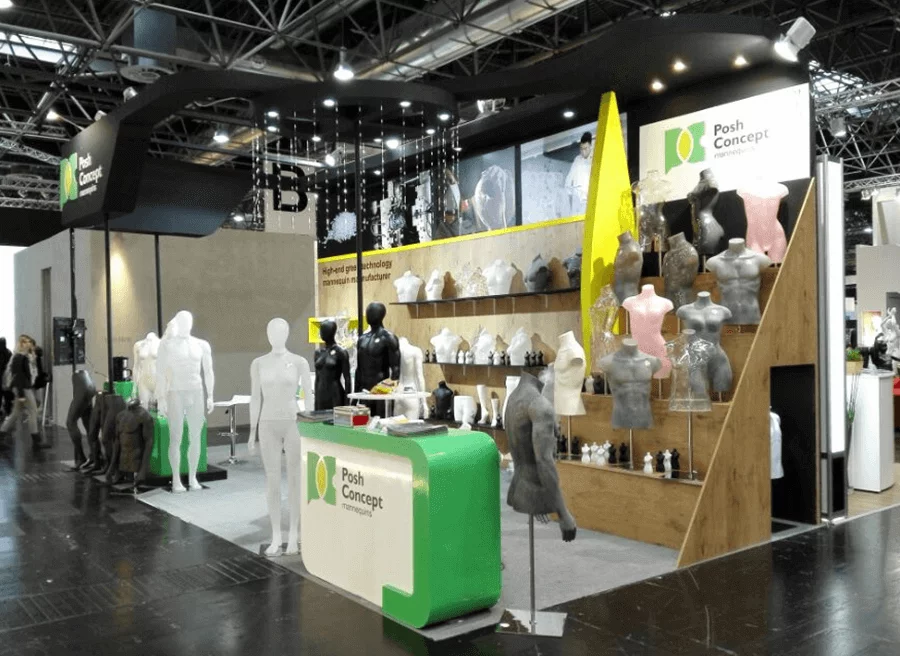
Posh Concept Mannequins, also known as SHANGMEI, was founded in 2012 and introduced blow molding technology to retail mannequins. The company describes its work as focused on responsible manufacturing and sustainable mannequin solutions for global retail brands. Its material development has expanded from PC to include PP, PE, and ABS, alongside continued work on manufacturing processes and production capabilities.
The company is backed by Cosmos Machinery Group, which brings more than 60 years of engineering and manufacturing experience. Its stated manufacturing resources include a 10,000-square-meter production facility, more than 100 professionals, and monthly output of over 5,000 mannequins. Its products are exported to more than 30 countries and regions.
For buyers, these details provide useful context when assessing a supplier for an ongoing retail project. They do not remove the need to confirm the specific product's dimensions, finish, lead time, quality requirements, and order conditions. Instead, they help frame a more complete supplier evaluation.
When discussing a potential order, ask who will confirm the technical specification, how samples will be approved, what quality checks are applied, and how any discrepancies will be handled. For repeat orders or multi-location projects, it is also worth clarifying how the approved product specification will be maintained across production batches.
7. Use a Pre-Order Checklist to Avoid Common Gaps
Before placing an order, purchasing teams can use a short checklist to make sure essential details have been addressed.
First, verify the model name and material. For this product, the listed model is RAW model and the material is PC. Second, request the complete dimensions and confirm that they fit the garments, fixtures, and installation plan. Third, establish exactly what the RAW surface finish means for the supplied product and whether any additional processing is required.
Next, review a current photograph or physical sample, and document the approved appearance. If consistency across multiple units is important, agree on inspection criteria before production. Finally, confirm packaging, delivery arrangements, order quantities, and the process for resolving specification or quality issues.
Not every project requires the same level of documentation. A single display may need a straightforward dimensional check, while a multi-store rollout may require a formal sample approval and written quality standard. The important point is to match the verification process to the scale and complexity of the order.
Make the RAW Model Part of a Well-Defined Display Plan
A successful mannequin purchase starts with a clear understanding of what is being ordered. Buyers should verify the material, define the required surface condition, obtain complete dimensions, and evaluate a sample against the actual display plan. These steps are more reliable than making a decision based only on a product photograph or a general material description.
The RAW model from Posh Concept Mannequins offers a PC-based option within the company's Special Surface Finishes range. Buyers interested in the product should contact the company for full dimensions and confirm any project-specific requirements before final approval. With a documented specification and a clear sample review process, retail teams can make more informed purchasing decisions and prepare their mannequin orders for the practical demands of store display projects.