

 English
 Italian
 Spanish
 Japanese
 Swedish
 Portuguese
 Lithuanian
 Dutch
 Korean
 Russian
 French
 German
 Arabic
Polo Shirts on Male Half-Body Mannequins: Sleeve Shape and Hem Position
A polo shirt may look simple on a hanger, but its appearance changes considerably when worn on a display form. The collar can lose its structure, the sleeves may flare outward or collapse against the torso, and the hem can sit unevenly across the waist. These details influence how customers perceive the garment's fit, fabric quality, and overall style.
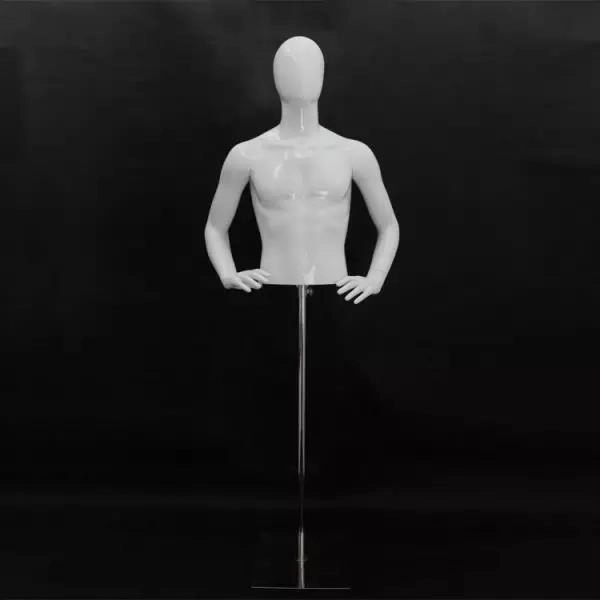
For fashion retailers, visual merchandisers, and apparel display teams, choosing the right mannequin is an important step in presenting polo shirts consistently. A well-proportioned Male half-body model (supporting structure) offers a practical way to assess sleeve shape, torso fit, and hem placement without displaying a complete figure. By paying attention to these three areas, retailers can create cleaner product presentations and make it easier for shoppers to understand how a polo shirt is designed to fit.
Why Sleeve Shape Matters in Polo Shirt Displays
Sleeves are among the first areas customers notice when evaluating a polo shirt. Their shape communicates whether a garment is intended for casual everyday wear, a smart-casual outfit, or a more performance-oriented look.
A sleeve that hangs too loosely can make a well-fitted polo appear oversized. Conversely, sleeves that pull tightly around the upper arm may suggest that the garment is too small, even when the chest and waist fit correctly. These effects become more noticeable when several colors or sizes are displayed side by side.
When dressing a male half-body mannequin, begin by checking the shoulder seam. Ideally, it should follow the intended shoulder line of the garment rather than sitting too far inward or extending noticeably beyond the shoulder. Once the shoulders are positioned correctly, adjust the sleeve opening so that the fabric falls naturally around the upper arm.
The sleeve should not be twisted or folded underneath the arm. Small distortions can change the apparent sleeve length and make the garment look poorly fitted. For polo shirts with ribbed cuffs, ensure that the cuff remains visible and sits evenly rather than curling inward.
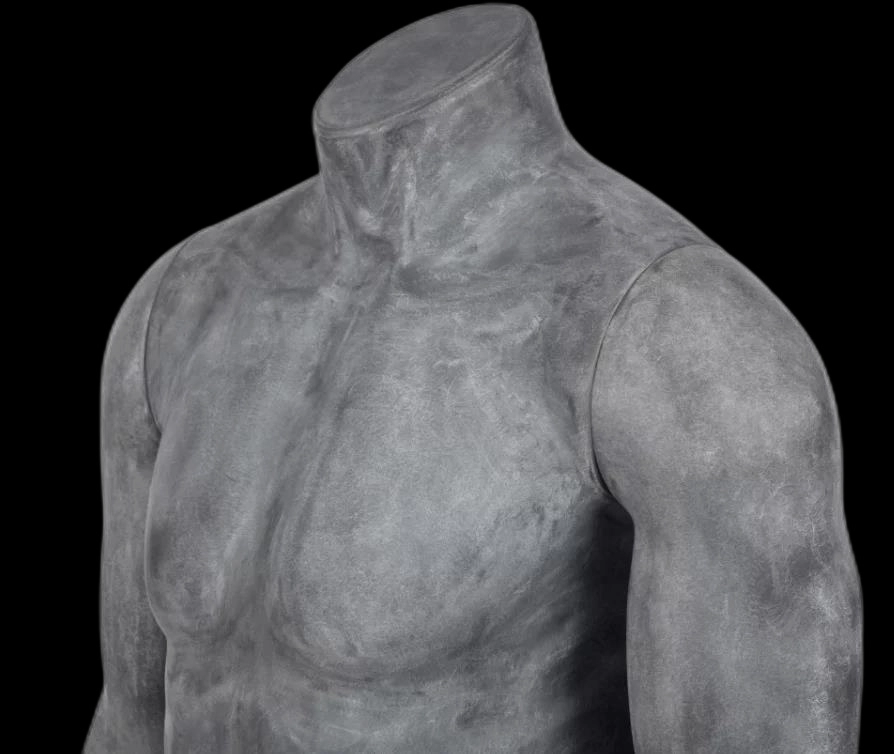
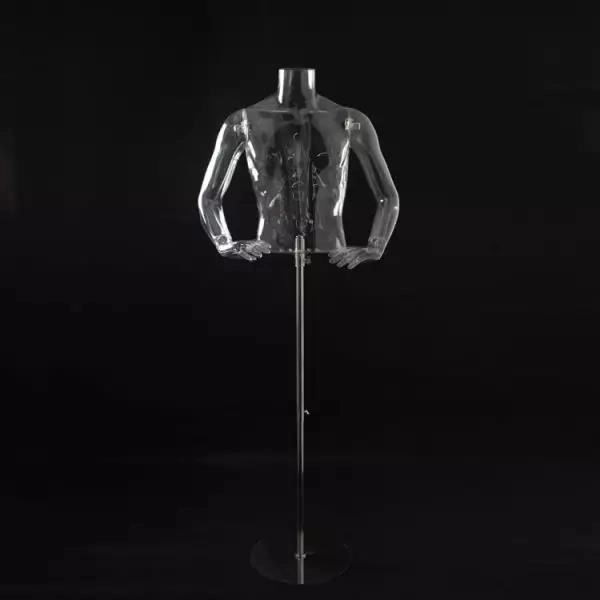
A display form with a consistent torso shape helps teams repeat this process across different garments. The Male half-body model from Posh Concept Mannequins is made from PC material and has an overall height of 78 cm. Its bust measurement is 96 cm, making it a defined reference for presenting men's upper-body apparel.
These dimensions should be considered when selecting garments for display. A polo shirt designed for a substantially different body shape may require careful adjustment or a different form to achieve the intended fit.
Matching Sleeve Length to the Intended Style
Polo shirts vary in sleeve length, opening width, and construction. Standard short-sleeve styles, slim-fit designs, and sports polos can produce different visual effects even when their measurements are similar.
For a classic polo, the sleeve usually looks balanced when it covers part of the upper arm without appearing restrictive. A sleeve that ends too high may make the garment look smaller than intended, while an excessively long sleeve can obscure the arm's shape and create a loose, unfinished appearance.
Sportswear polos often use lightweight stretch fabrics and more fitted sleeves. In these cases, the fabric should follow the mannequin's contours without creating unnecessary tension lines. If the material stretches across the upper arm, check whether the garment size is appropriate before attempting to smooth the fabric.
For relaxed-fit polos, allow the sleeve to retain some volume. Pulling the material tightly against the mannequin can change the design intent and make a relaxed garment appear closer-fitting than it actually is.
Retail teams should also consider fabric weight. Lightweight cotton piqué may hold its shape differently from heavier cotton jersey or polyester performance fabric. A sleeve that looks structured on one material may collapse on another, so the display should reflect the garment's actual construction rather than forcing every polo into the same silhouette.
Getting the Hem Position Right
The hem establishes the visual endpoint of the torso and affects how customers interpret a polo shirt's length and proportions. Even a small difference in hem position can change the apparent relationship between the chest, waist, and overall garment shape.
Start by aligning the shirt's center front with the mannequin's centerline. Check that the placket hangs vertically and that the bottom edge runs evenly across the torso. If one side of the hem sits higher than the other, inspect the side seams and fabric tension before making further adjustments.
For a straight-hem polo intended to be worn untucked, the bottom edge should remain visible and follow the garment's intended cut. Avoid pulling the front downward while leaving the back bunched up, as this creates an inaccurate impression of the shirt's length.
Polo shirts with a curved hem require a different approach. Their front and back edges may naturally sit at different heights, so the goal is not to force them into a straight line. Instead, smooth the fabric along the side seams and preserve the designed curve.
The waist measurement of the Male half-body model (supporting structure) is 78 cm. When preparing a display, compare this measurement with the garment's actual waist width and intended ease. A close-fitting polo may sit differently from a regular-fit style, while a loose-cut garment may need more attention to prevent excess fabric from gathering around the waist.
Correct hem positioning is especially important when presenting a collection in multiple colors. Consistent placement allows customers to compare length and fit more accurately without being distracted by differences in styling.
Understanding Mannequin Measurements Before Dressing
A successful display begins with selecting a form that suits the garment category. Product measurements provide a useful starting point, but they should be considered alongside the intended fit, pattern dimensions, and fabric behavior.
The specifications of this male half-body model are as follows:
Material: PC
Overall height: 78 cm (30.71 inches)
Bust: 96 cm (37.8 inches)
Waist: 78 cm (30.71 inches)
These figures describe the mannequin itself, not the recommended measurements of the polo shirt. Garment measurements should be checked separately, including chest circumference, shoulder width, sleeve length, and body length.
For example, a polo shirt with a smaller chest measurement than the mannequin may experience tension across the front, depending on the fabric's stretch. A much larger shirt may develop folds around the waist or under the arms. Neither result necessarily indicates a problem with the garment; the display form and clothing simply may not be well matched.
When evaluating a new collection, dress a sample garment on the selected mannequin and inspect it from the front and both sides. Check the shoulder line, sleeve openings, placket alignment, and hem position before using the same setup for the remaining products.
Recording the adjustments needed for each fit category can also improve consistency between stores and display teams.
A Practical Dressing Sequence for Consistent Results
A repeatable dressing process helps reduce unnecessary adjustments and keeps garments looking consistent across a retail display.
First, open the polo shirt and position it carefully over the mannequin's shoulders. Align the collar around the neckline and ensure that both collar points sit evenly. Button the placket according to the intended styling, keeping it centered.
Next, check the shoulders and sleeves. Smooth the fabric from the shoulder seam toward the sleeve opening, removing twists without stretching the material. Compare both sleeves to ensure that their lengths and angles look balanced.
Then adjust the torso. Align the side seams, smooth the chest and waist, and check that the shirt does not gather around the mannequin's narrower areas. If the polo has a defined fit, preserve its natural shaping rather than pulling the fabric unnaturally tight.
Finally, inspect the hem. Confirm that the center front is aligned, the bottom edge follows the intended design, and the side seams do not pull upward. Step back and assess the entire upper-body silhouette rather than focusing only on individual details.
Using the same sequence for every garment makes it easier to identify differences caused by the product itself rather than inconsistent dressing techniques.
Choosing a Display Form for Different Retail Environments
The best display form depends on the retail environment, garment range, and presentation requirements. A store displaying premium casualwear may prioritize a clean, understated presentation that keeps attention on the fabric and construction. A sportswear retailer may need to show the fit and functional design of performance polos, including sleeve mobility and torso shaping.
A male half-body model can be useful when the merchandising objective is to highlight the upper garment without introducing the visual complexity of a full-body figure. It can also support compact displays, product comparisons, and coordinated presentations across multiple colors.
Material is another consideration. PC is used in mannequin manufacturing because it supports the production of defined forms and consistent surface finishes. However, suitability for a particular retail environment also depends on the model's construction, handling requirements, and the retailer's display procedures.
Posh Concept Mannequins, also known as SHANGMEI, develops mannequin solutions for fashion retail with an emphasis on responsible manufacturing and material innovation. Founded in 2012, the company introduced PC mannequins as an early sustainable display solution and subsequently expanded its material systems to include PP, PE, and ABS. Its development has also included the introduction of ocean-recycled PP materials and continued investment in manufacturing technology.
Backed by the engineering heritage of Cosmos Machinery Group, SHANGMEI operates a 10,000-square-meter production facility with more than 100 professionals. The company reports monthly production capacity exceeding 5,000 mannequins and exports to more than 30 countries and regions.
For retailers sourcing display forms for different apparel categories, these capabilities provide useful context when assessing manufacturing experience, material options, and the potential to support consistent product presentation across markets.
Maintaining a Consistent Polo Shirt Presentation
A polished polo shirt display does not depend on complicated styling. It depends on getting the basic proportions right and applying the same standards throughout the collection.
Sleeves should reflect the garment's intended fit, whether classic, slim, or relaxed. The hem should sit according to the shirt's design, with the center front and side seams aligned. Mannequin measurements should be reviewed before dressing so that the garment is not unintentionally stretched or left with excessive folds.
For retail teams, a suitable Male half-body model provides a practical reference for evaluating these details. Its 96 cm bust, 78 cm waist, and 78 cm overall height offer measurable specifications to consider when matching display forms with men's upper-body apparel.
Before finalizing a display, review the polo shirt from the front, sides, and normal customer viewing distance. Correct sleeve angles, a balanced torso silhouette, and an even hem can make a noticeable difference to the overall presentation.
With an appropriate display form and a consistent dressing routine, retailers can present polo shirts more clearly, support accurate visual comparisons, and maintain a professional appearance across seasonal collections. The Male half-body model (supporting structure) from Posh Concept Mannequins is one option for teams seeking a defined, PC-material form for this type of upper-body merchandising.