

 English
 Italian
 Spanish
 Japanese
 Swedish
 Portuguese
 Lithuanian
 Dutch
 Korean
 Russian
 French
 German
 Arabic
Male Hip Forms for Swimwear: Evaluating Rear Coverage and Fabric Tension
Swimwear can look quite different on a display form than it does when laid flat on a table. The back panel may pull across the hips, the leg openings can shift out of position, and stretch fabric may develop wrinkles that make the garment appear poorly fitted. For retailers and swimwear brands, these details matter because customers often rely on product displays to judge coverage, construction, and overall fit before making a purchase.
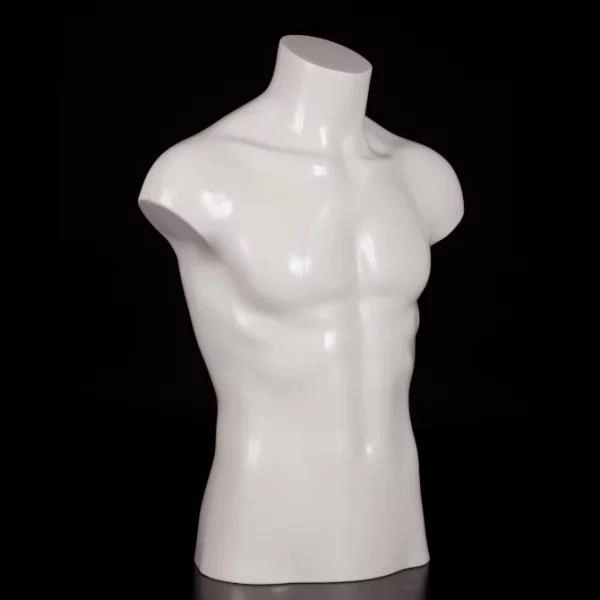
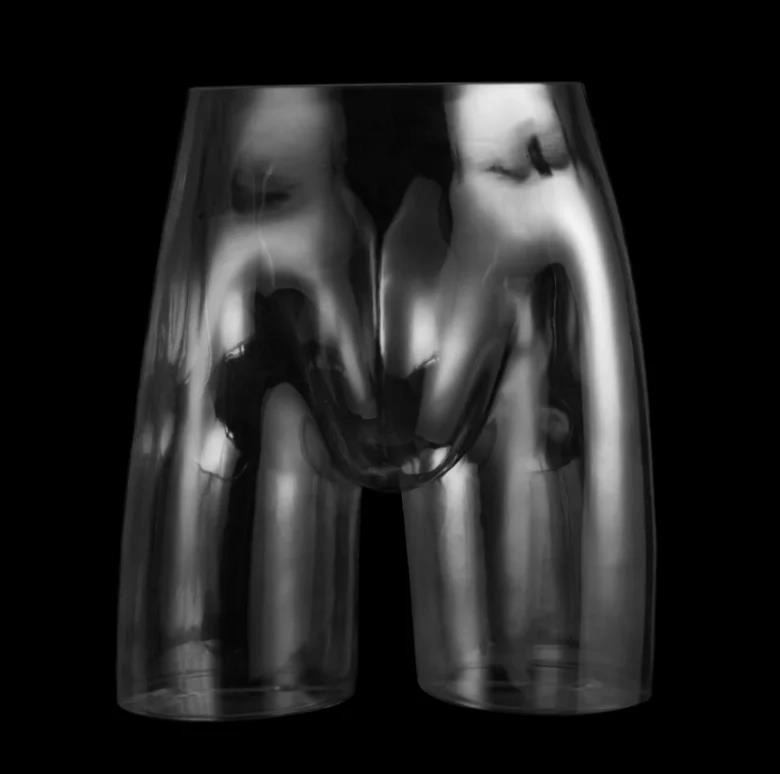
A suitable lower-body display form helps merchandising teams examine how swim briefs, swim trunks, and other men's swimwear sit around the waist and hips. Rather than focusing only on the front view, a useful assessment also considers the rear contour, seam placement, and the way fabric responds to the shape beneath it. The Male model with a buttocks shape from Posh Concept Mannequins provides a defined form for presenting men's lower-body garments and reviewing these visual details in a retail or product development setting.
Why Rear Coverage Matters in Men's Swimwear Displays
Rear coverage is one of the main factors that distinguishes different swimwear styles. Briefs generally expose more of the upper thigh, fitted swim shorts follow the body's contours, and longer swim trunks provide additional coverage around the legs. Even within the same product category, differences in rise, panel width, and cut can change how much fabric covers the hips.
When a garment is displayed on a flat surface, these differences can be difficult to assess. A display form gives the fabric a three-dimensional surface, making it easier to see whether the back panel follows the intended shape and whether the leg openings sit evenly.
Start by checking the garment's center-back seam, if one is present. It should follow the intended line without twisting noticeably to one side. Next, inspect the fabric on both sides of the seam. Uneven tension may indicate that the garment has been positioned incorrectly, that the fabric is being stretched, or that the pattern and display form have different proportions.
The bottom edge of each leg opening also deserves attention. If one side rides higher than the other, the display may suggest an asymmetrical cut even when the garment itself is symmetrical. Adjust the garment before deciding that the design is responsible for the difference.
A Male model with a buttocks shape can help teams evaluate these visual relationships because its rear contour gives the back panel a defined surface. This is particularly useful when comparing several swimwear designs that differ in coverage, seam placement, or fabric construction.
Understanding Fabric Tension Across the Hip Area
Swimwear fabrics are commonly designed to stretch and recover, allowing garments to follow the body while supporting movement. However, stretch does not automatically guarantee a clean display. When fabric is pulled too tightly across a form, the resulting tension lines may distort the intended fit.
Horizontal lines across the rear panel can suggest that the fabric is under excessive tension. Diagonal creases may indicate that the garment has shifted off-center or that the side seams are being pulled in different directions. Loose folds, on the other hand, can appear when the garment is not positioned correctly or when its dimensions differ substantially from those of the display form.
These visual signs should be interpreted carefully. A wrinkle does not necessarily mean that the garment is defective, and the absence of wrinkles does not prove that it will fit every wearer correctly. The display form is a reference for visual evaluation rather than a substitute for fit testing on people.
For practical assessment, position the garment without pulling the fabric beyond its natural resting state. Align the waistband, center-back seam, and side seams first. Then smooth the fabric lightly toward the leg openings. If tension lines remain, compare the garment's unstretched measurements with the form's measurements and review the pattern specifications.
The Male hip form is particularly relevant when comparing fabrics with different stretch characteristics. A firm, supportive swimwear fabric may retain a more defined silhouette, while a lightweight stretch knit may reveal small changes in tension more readily. Looking at both materials on the same form can help a merchandising team identify which visual differences come from fabric behavior and which come from garment construction.
Matching Waist and Hip Measurements to the Garment
Choosing an appropriate display form starts with understanding its dimensions. A garment may be designed for a particular waist-to-hip relationship, and using a form with substantially different proportions can change how the swimwear appears.
The product specifications for the Male model with a buttocks shape are:
Material: PC
Overall height: 40 cm (15.75 inches)
Waist: 77 cm (30.31 inches)
Hip: 96 cm (37.8 inches)
These measurements provide a reference when evaluating men's swimwear. The 77 cm waist and 96 cm hip measurements describe the display form, not the garment dimensions or a guaranteed clothing size. Brands should compare these figures with the actual waist circumference, hip circumference, rise, and garment construction of each product.
For swim briefs, the relationship between the waistband and the rear panel is especially important. If the garment's waist opening is too small for the form, stretching may alter the waistband's shape and pull the back panel upward. If the opening is too large, the waistband may sit unevenly or fail to maintain the intended position.
Swim trunks introduce additional considerations. The rise, inseam, and width of the leg openings affect how the garment sits around the hips and upper thighs. A display form that supports the intended presentation can make these design features easier to evaluate, although a separate full-length form may be necessary when the visual relationship between the waistband, thighs, and complete leg length is important.
Before using a display form for an entire product range, test one representative garment from each fit category. Record any positioning adjustments needed and use the same procedure when preparing the remaining products. This helps maintain consistency across different colors, patterns, and styles.
Checking Seams, Panels, and Leg Openings
Rear coverage is not determined by fabric area alone. Seam construction, panel shape, and the position of the leg openings all influence the final appearance.
For swim briefs, inspect the center-back seam and the transitions between the rear panel and side panels. These areas should follow the garment's intended construction without unnecessary twisting or bunching. If the design includes contrast stitching or shaped panels, make sure the details remain visible rather than disappearing into folds.
For fitted swim trunks, check how the rear panel transitions into the crotch and leg sections. Fabric gathered near these joins can obscure construction details and make the garment look less precise. Smooth the material gently, but do not force the seams into a position that changes the intended cut.
The waistband should remain level unless the garment's design specifically calls for a different front-to-back position. A waistband that slopes unintentionally can make the rise appear uneven and affect the perceived amount of rear coverage.
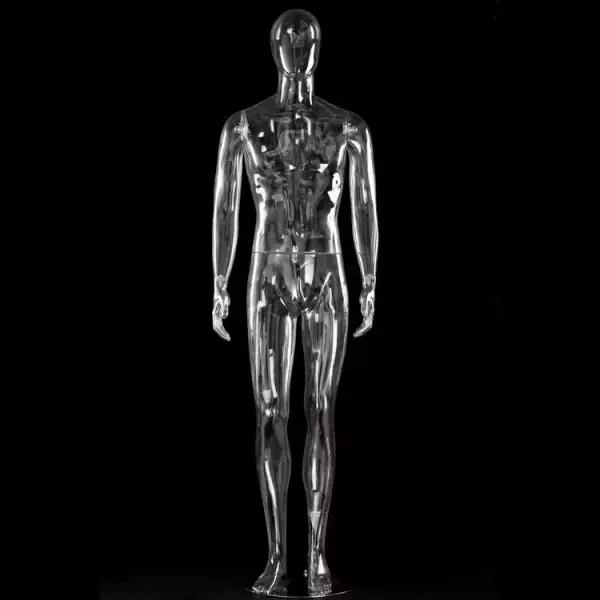
A transparent display form can also be useful when the presentation objective is to keep attention on the garment itself. The Male model with a buttocks shape belongs to Posh Concept Mannequins' Transparent Mannequins range and is manufactured from PC material. Its defined shape allows the garment's outline and visible construction to remain the focus of the display.
When preparing swimwear for photography or retail presentation, inspect the product from the rear and both side angles. A garment that appears balanced from directly behind may still show twisting or uneven tension along one side. Checking multiple views helps identify these problems before the product is photographed or placed on display.
Comparing Different Swimwear Cuts on the Same Form
Using one display form for comparable products can make differences between styles easier to identify. This approach is useful for retailers presenting several swimwear cuts within the same collection.
For example, a brand may offer classic swim briefs, low-rise swim briefs, and fitted swim shorts. Each style uses a different relationship between waistband height, rear coverage, and leg opening. When the garments are dressed consistently on the same form, the visual differences are easier to distinguish.
Keep the waistband position consistent where the design permits. Center the rear seam, if present, and avoid stretching one garment more than another. If a style naturally requires a different position, document the adjustment so the comparison remains fair.
Fabric composition should also be considered. Two garments with similar patterns may behave differently because of differences in elastane content, knit structure, lining, or fabric weight. A more structured fabric may maintain a smooth rear panel, while a softer material may follow the contours more closely.
For product photography, use consistent lighting and camera angles when comparing styles. Strong shadows can make ordinary folds appear more pronounced, while a direct rear view may conceal differences in side coverage. Combining rear and side views provides a more complete representation of the garment's shape.
The goal is not to make every swimwear product look identical. It is to present each design accurately so that shoppers can understand the intended cut and compare products without distractions caused by inconsistent styling.
Selecting a Display Form for Swimwear Merchandising
The right display form depends on the garment category, the level of detail required, and how the finished presentation will be used. A lower-body form can be suitable for focused product displays, close-up photography, and comparisons of waist and hip construction. A full-body mannequin may be more appropriate when the complete outfit, leg length, or relationship with other clothing needs to be shown.
Material and manufacturing consistency are also relevant considerations for retail buyers. PC is used in mannequin production for its ability to support defined shapes and finished surfaces. However, buyers should assess the specific model's dimensions, construction, handling requirements, and suitability for the intended display environment rather than relying on material alone.
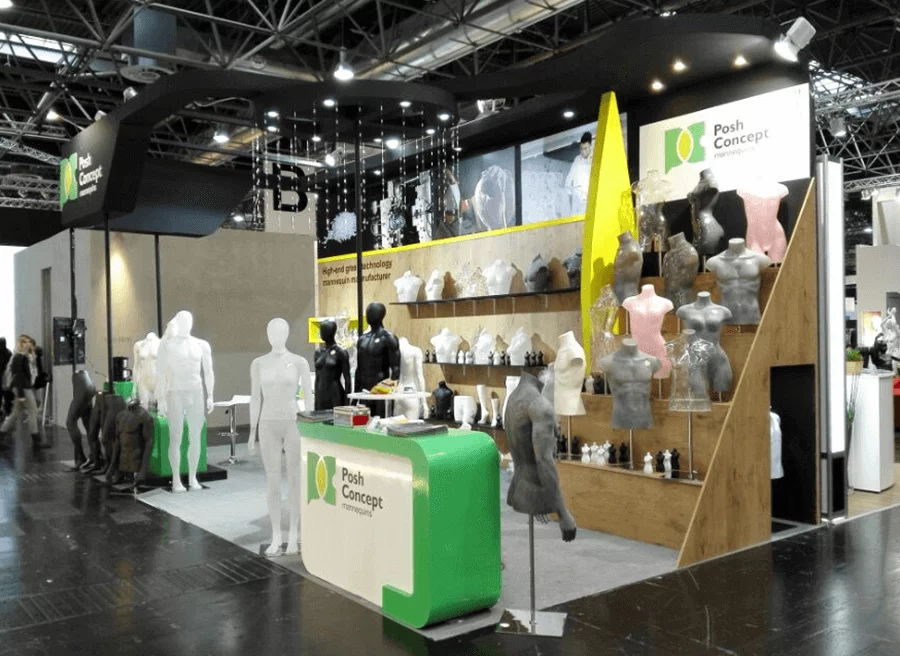
Posh Concept Mannequins, also known as SHANGMEI, develops mannequin solutions for global fashion retail. Founded in 2012, the company introduced PC mannequins as an early sustainable display solution and subsequently expanded its material systems to include PP, PE, and ABS. Its later development has included ocean-recycled PP applications and continued investment in manufacturing technology.
SHANGMEI is backed by the engineering heritage of Cosmos Machinery Group, which brings more than 60 years of engineering and manufacturing experience. The company operates a 10,000-square-meter production facility, employs more than 100 professionals, and reports monthly production exceeding 5,000 mannequins, with exports to more than 30 countries and regions.
For swimwear brands and retail display buyers, these manufacturing capabilities may be relevant when evaluating product consistency, material options, and potential customization requirements. The appropriate model should still be selected according to the garment dimensions and the intended display purpose.
A Practical Checklist Before Finalizing a Swimwear Display
Before photographing a garment or placing it in a retail display, review a few basic points:
Confirm that the waistband sits in the intended position and does not appear stretched unnecessarily.
Check the center-back seam and side seams for twisting or uneven alignment.
Inspect the rear panel for tension lines, loose folds, and unintended bunching.
Compare the height and angle of both leg openings.
Review the garment from the rear and both sides.
Confirm that the display form's waist and hip measurements are appropriate for the garment being presented.
Use consistent dressing and photography procedures when comparing products.
These checks are straightforward, but they can prevent small styling problems from becoming visible distractions in product photography or store displays. They also help teams distinguish between a garment's actual design characteristics and changes introduced by the display setup.
Presenting Men's Swimwear with Greater Accuracy
Rear coverage and fabric tension are closely connected to how men's swimwear appears on a display form. A balanced presentation requires more than smoothing the fabric: it involves checking measurements, aligning seams, observing leg openings, and understanding how different materials respond to the shape beneath them.
The Male model with a buttocks shape offers a defined lower-body form for reviewing these details, with a 77 cm waist, 96 cm hips, and PC construction. It can support the presentation of suitable men's lower-body garments when the dimensions and display requirements align with the intended application.
With a consistent dressing process and careful attention to rear coverage, swimwear brands can present product differences more clearly and maintain a more reliable visual standard across their collections. For retailers and apparel teams looking for a focused display solution, Posh Concept Mannequins provides a range of mannequin options designed for different fashion merchandising needs.