

 English
 Italian
 Spanish
 Japanese
 Swedish
 Portuguese
 Lithuanian
 Dutch
Dutch Korean
 Russian
 French
 German
 Arabic
PC Mannequin Surface Finishes: Evaluating Appearance and Quality
Retail mannequins do more than present clothing. Their surface appearance affects how garments are perceived, how a display looks under store lighting, and whether multiple fixtures work together as a consistent visual presentation. For retail buyers, choosing a mannequin therefore involves more than checking its shape or material. Surface quality deserves the same attention, particularly when ordering products for a coordinated store rollout.
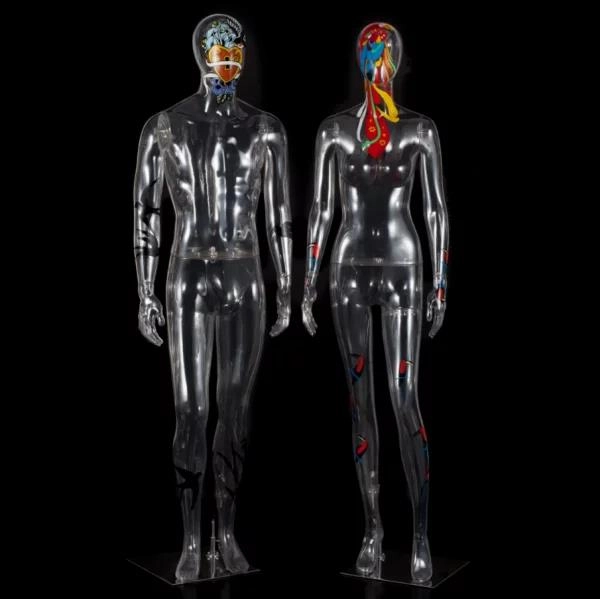
The Describe the model product belongs to Posh Concept Mannequins' Special Surface Finishes range and is manufactured from PC raw material. For buyers evaluating this model, understanding how to review its appearance, confirm product details, and establish clear acceptance criteria can make the purchasing process more straightforward.
Why Surface Finish Matters in Retail Mannequin Selection
A mannequin's surface is one of the first details customers notice, even when they are primarily looking at the clothing. Uneven appearance, visible marks, or differences between display units can distract from the merchandise and make a carefully planned presentation feel inconsistent.
The importance of surface finish varies by retail environment. A fashion boutique may want mannequins that complement a carefully controlled interior design, while a sportswear store may prioritize a consistent appearance across a larger group of display fixtures. In both cases, the mannequin should support the intended presentation rather than compete with it.
When assessing Describe the model, buyers should begin by identifying the visual requirements of the project. Consider the store's lighting conditions, the distance from which customers will view the mannequin, the clothing being displayed, and the appearance expected across the entire installation.
These considerations help turn a general preference for a particular finish into practical inspection criteria that purchasing and quality teams can communicate to their supplier.
Understanding PC Material and Surface Appearance
PC, or polycarbonate, is an engineering thermoplastic used in a variety of manufactured products. Posh Concept Mannequins introduced PC mannequins as an important part of its sustainable retail display development, applying blow molding technology to mannequin production.
However, material selection and surface appearance are two different considerations. Knowing that a mannequin is made from PC identifies its material, but it does not independently establish the exact surface texture, gloss level, color, or finishing process of a particular model.
This distinction matters when comparing products or approving samples. Buyers should avoid assuming that all PC mannequins have the same appearance simply because they share a material category. The actual finish should be assessed against the product information and sample agreed upon with the manufacturer.
For the Describe the model listing, PC is the confirmed material, and the product is part of the Special Surface Finishes range. Buyers who require a specific visual result should request the relevant finish details and reference images before finalizing their selection.
How to Evaluate a Mannequin Surface Finish
A useful inspection process should be repeatable. Rather than relying on a general impression that a mannequin looks acceptable, buyers can review several practical aspects under consistent conditions.
First, examine the overall appearance. Look at the mannequin from the front, sides, and other visible angles relevant to its intended placement. Check whether the surface looks consistent across the areas that will be exposed in the retail display.
Second, inspect visible details at a closer distance. Look for marks, scratches, uneven areas, or other irregularities that may affect the finished presentation. Record their locations and take photographs where necessary so that observations can be discussed clearly with the supplier.
Third, review the mannequin under lighting similar to that of the intended retail environment. Reflections, shadows, and the direction of the light can change how surface details appear. Comparing samples under substantially different lighting conditions may lead to inconsistent judgments.
Finally, distinguish between a genuine quality concern and a difference that has not yet been defined in the purchasing specification. If a particular level of gloss, texture, or visual uniformity is essential, document that expectation and confirm whether the manufacturer can meet it.
This approach gives buyers a clearer basis for evaluating Describe the model and other mannequins within a planned display project without relying on subjective descriptions alone.
Approving Samples Before Placing a Bulk Order
Sample approval is an important step when a retail project involves multiple mannequins or several delivery batches. A sample provides a physical reference that purchasing teams can use when discussing appearance and acceptance requirements with the manufacturer.
Before approving a sample, confirm the product identity and material information. For this model, the stated material is PC. Next, record the approved visual reference, including photographs taken under consistent lighting where practical. Any important surface characteristics should be described in clear language rather than left to interpretation.
Buyers should also confirm the product's full dimensions. The available product information requests that customers contact the company for these details, so the required measurements should be obtained before confirming display layouts, fixture spacing, or garment presentation plans.
Once the sample has been approved, retain the relevant records. These may include the product reference, confirmed dimensions, approved photographs, inspection notes, and written confirmation of any agreed appearance requirements.
For larger orders, it is also useful to clarify how deviations will be reviewed and reported. Agreeing on a practical process in advance helps both parties handle quality questions more efficiently.
Maintaining Consistency Across Multiple Display Units
A single mannequin can look suitable on its own while a group of mannequins reveals differences that were less noticeable during the initial review. This is particularly relevant to department stores, fashion chains, showroom installations, and projects that require coordinated displays across multiple locations.
To reduce uncertainty, buyers should establish a common reference for all units in the same project. Product identification, approved samples, and documented appearance requirements help purchasing and quality teams communicate the same expectations.
When deliveries arrive in separate batches, inspect representative units against the approved reference. If a visible difference is found, record it and compare the affected units under similar conditions before drawing conclusions.
It is equally important to communicate any changes in requirements before production or delivery arrangements are finalized. A request for a different appearance should be confirmed with the manufacturer rather than assumed to be included in the original product specification.
For Describe the model, these checks can help buyers manage visual consistency while keeping product requirements clear throughout the purchasing process.
Working With a Manufacturer on Product Specifications
Effective supplier communication starts with specific questions. Instead of requesting only a general description of a mannequin's finish, buyers should explain the intended application and identify the information needed to approve the product.
For example, a purchasing inquiry may request the complete dimensions, confirmation of the PC material, available information about the surface finish, and reference images of the actual product. If the project has specific visual requirements, these should be communicated before the order is confirmed.
Buyers should also distinguish between confirmed product features and options that require separate verification. Not every mannequin necessarily supports every finish, customization request, or specification change. Written confirmation helps prevent assumptions from becoming production misunderstandings.
Posh Concept Mannequins / SHANGMEI brings manufacturing experience to the retail mannequin sector. Founded in 2012, the company introduced PC mannequins as a major part of its early product development and subsequently expanded its material systems to include PP, PE, and ABS. Its manufacturing capabilities include a 10,000 m² production facility, a team of more than 100 professionals, and monthly output exceeding 5,000 mannequins.
The company has also developed relationships with international retail brands, including H&M, Decathlon, BONAMI, and adidas. These milestones provide context for its manufacturing background, while individual product requirements should still be confirmed against the relevant specifications.
For buyers considering the Special Surface Finishes range, direct communication about product details, sample expectations, and dimensional requirements is a practical starting point for determining whether a model suits the intended retail application.
Building a Practical Surface Quality Checklist
A short checklist can make the evaluation process easier to repeat across purchasing teams and projects. Before approving a mannequin, buyers can confirm the following points:
Product identity and material have been confirmed.
Complete dimensions have been obtained and checked against the display plan.
The sample has been reviewed from relevant viewing angles.
Surface appearance has been assessed under consistent lighting.
Visible irregularities have been recorded and discussed where necessary.
The approved sample or visual reference has been retained.
Any project-specific appearance requirements have been confirmed with the manufacturer.
Inspection and communication procedures for bulk deliveries have been agreed upon.
The checklist does not replace a formal product specification. Instead, it helps ensure that important details are considered before an order moves forward.
Choosing the Right Mannequin for Your Display Project
Surface finish evaluation is most effective when it forms part of a broader purchasing process. Material information, dimensions, visual requirements, sample approval, and delivery inspection all contribute to a more reliable decision.
The Describe the model mannequin offers buyers a PC-material option within the Special Surface Finishes range. To assess its suitability, request the complete dimensions and any additional finish information needed for the project, then compare the available details with the intended display requirements.
With clear specifications and a documented approval process, retail buyers can make more informed selections and manage appearance expectations more consistently. Posh Concept Mannequins / SHANGMEI can be contacted to discuss the product details needed to evaluate this model for a particular retail display application.